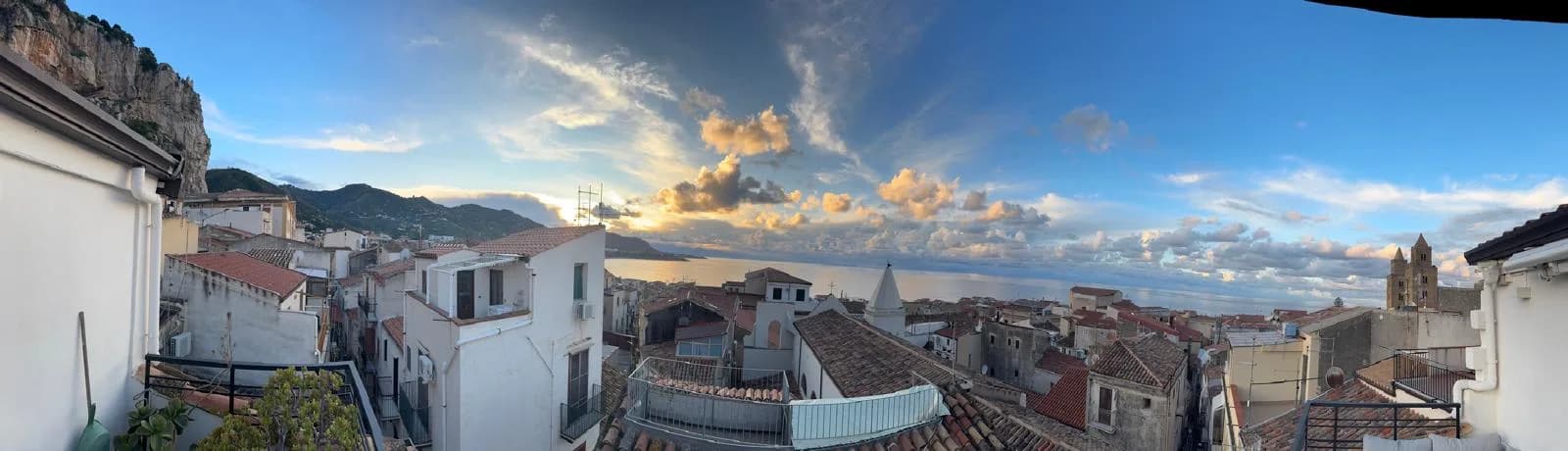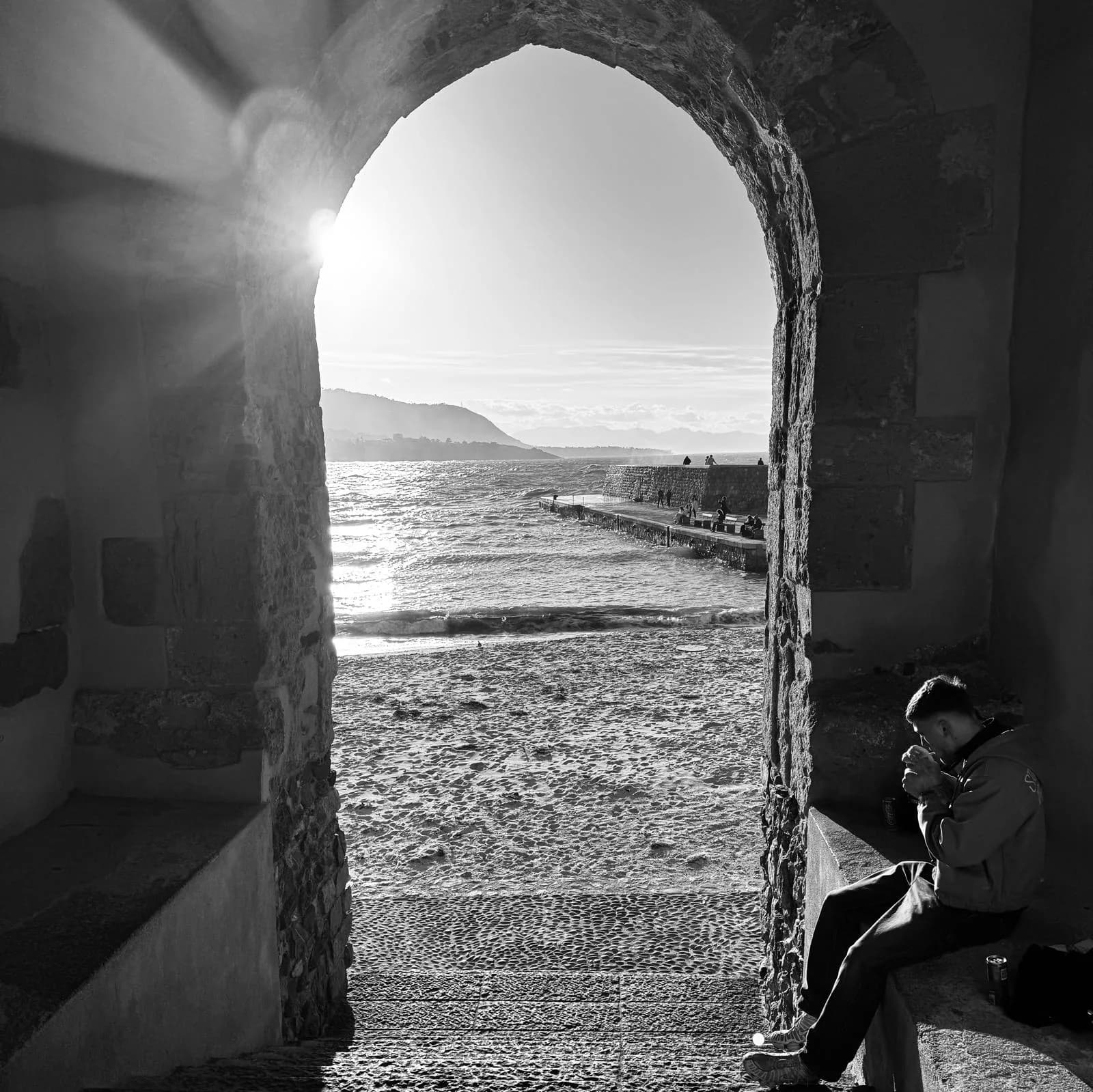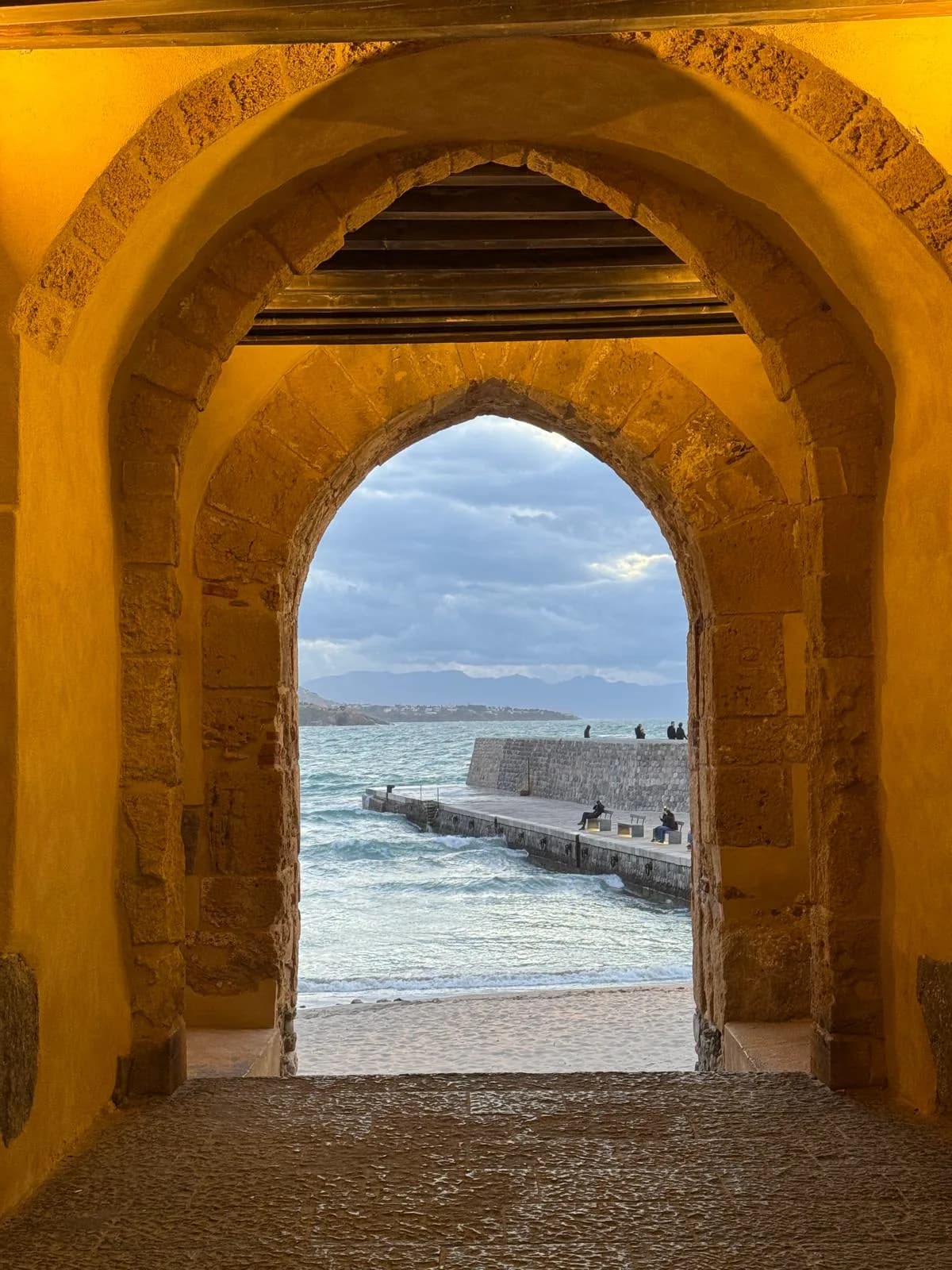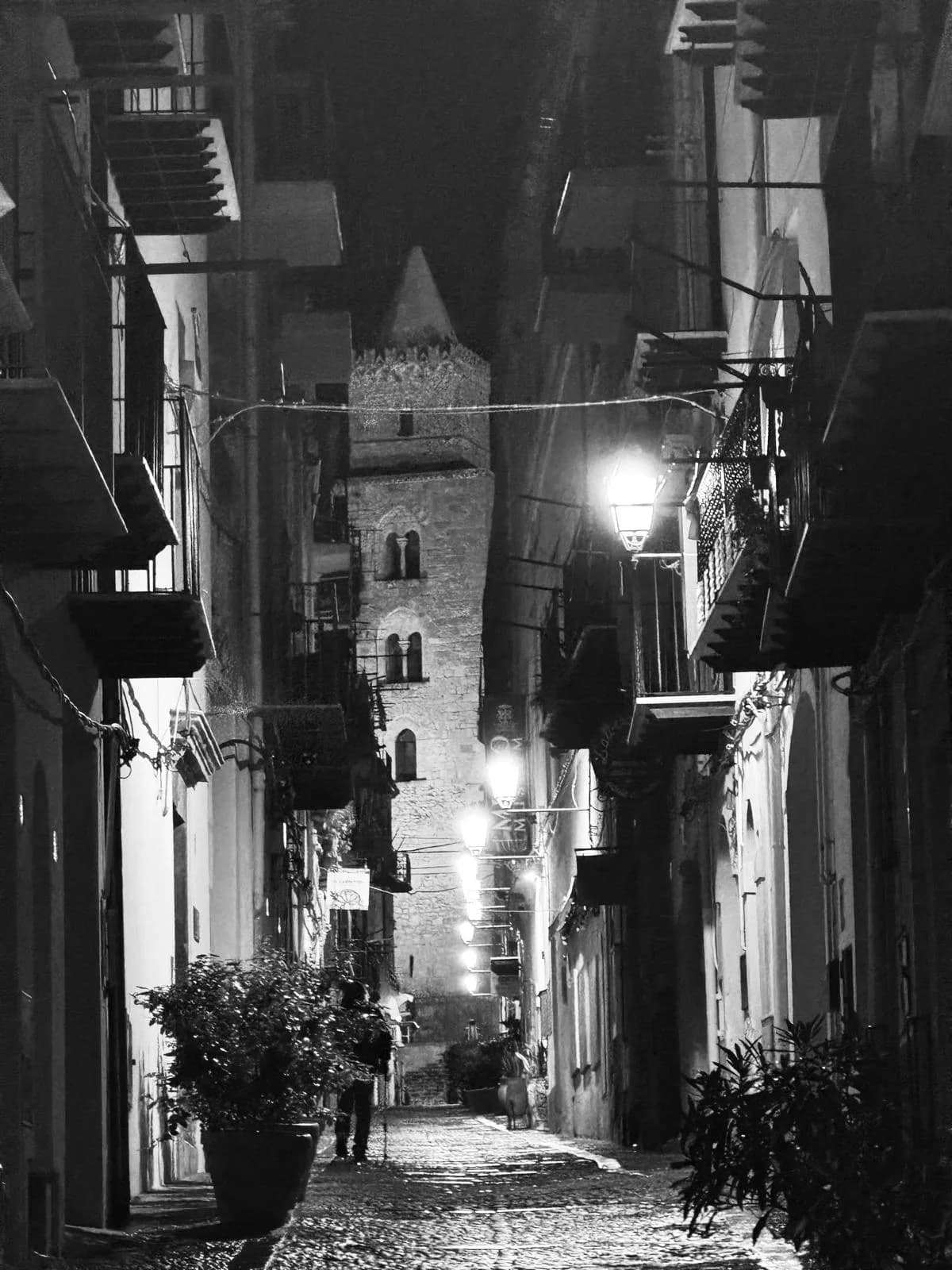
The old town of Cefalù is compact — you can walk it end to end in fifteen minutes — but it repays slow movement. The grid of narrow lanes between the cathedral and the sea wall was laid down in the medieval period and has not changed much since. What you find inside it changes depending on the hour: dark and cool at midday during riposo, the particular silence of shuttered windows and a cat on a step; filled with the sound of shop doors and conversation by late afternoon; golden and slow at dusk when the stone walls hold the day's warmth and the smell of jasmine comes from somewhere you can't quite locate.
We walk these streets several times a day. Below is what we look for, and where.
Corso Ruggero and the main lanes
Corso Ruggero is the main artery — wide by old-town standards, running from Piazza Garibaldi south to the cathedral. It has the ceramics shops, the bakeries, the bars that serve espresso at 07:30 and Aperol by 18:00. Most visitors stay on the Corso. That is the mistake.
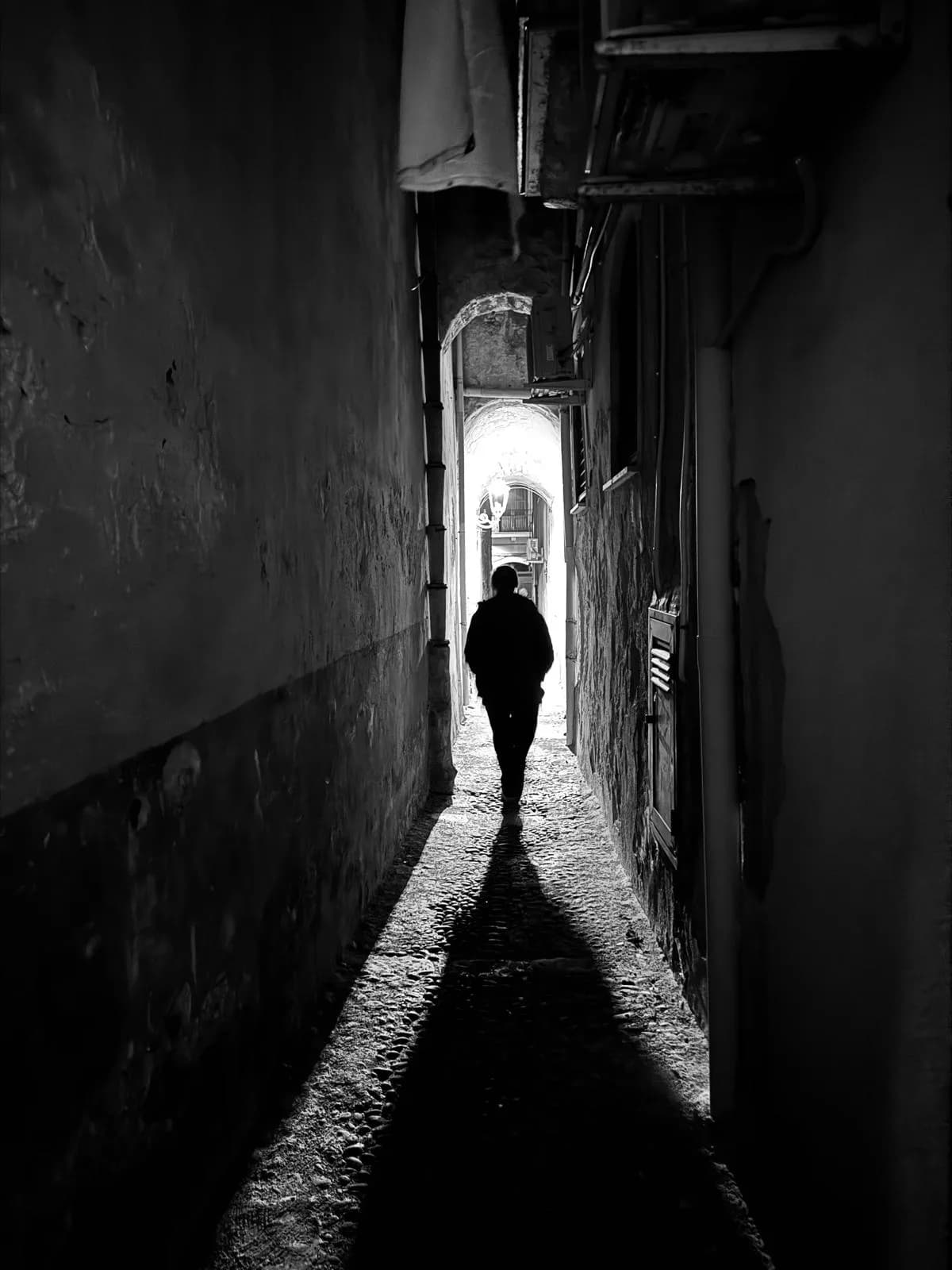
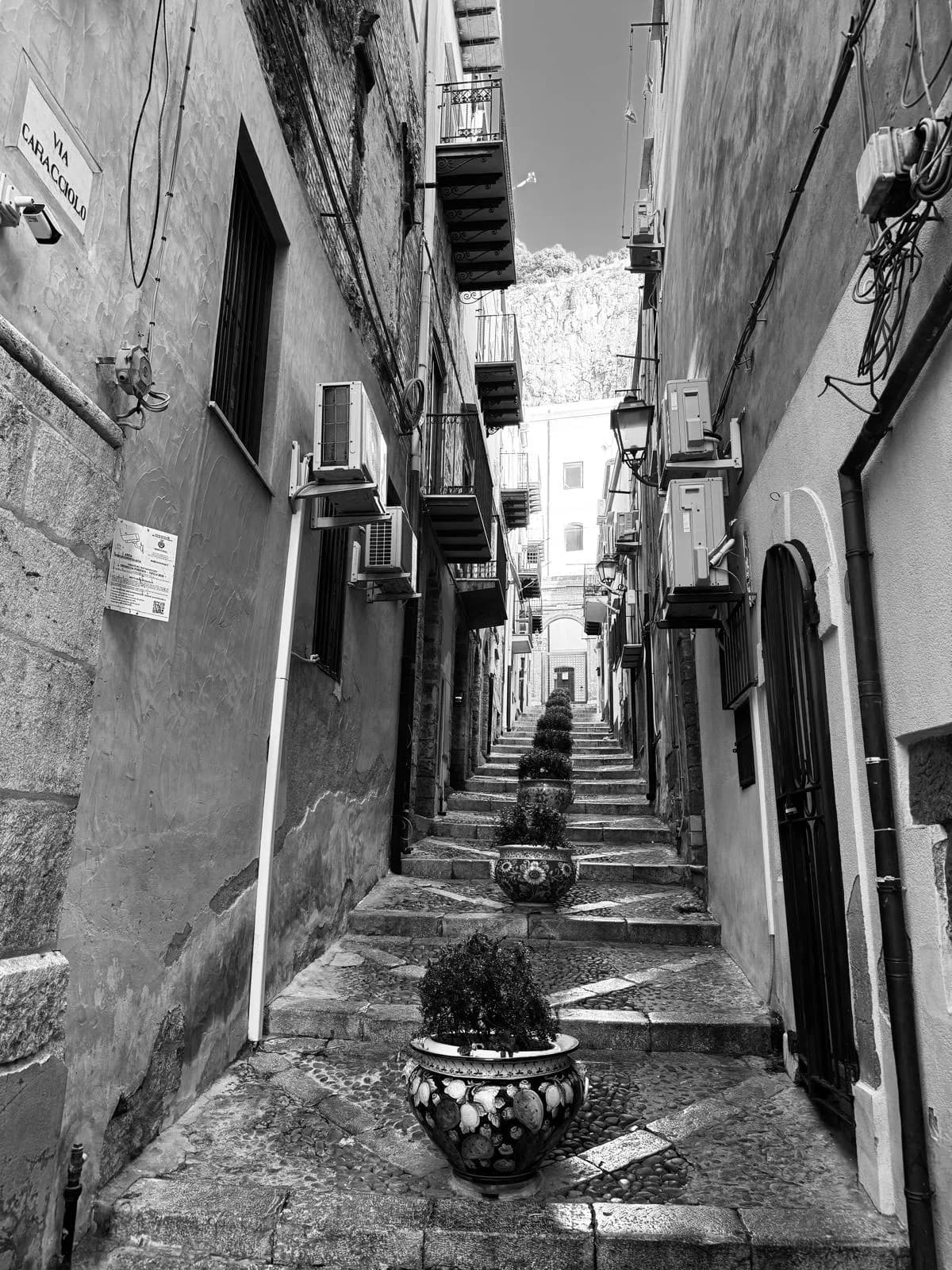
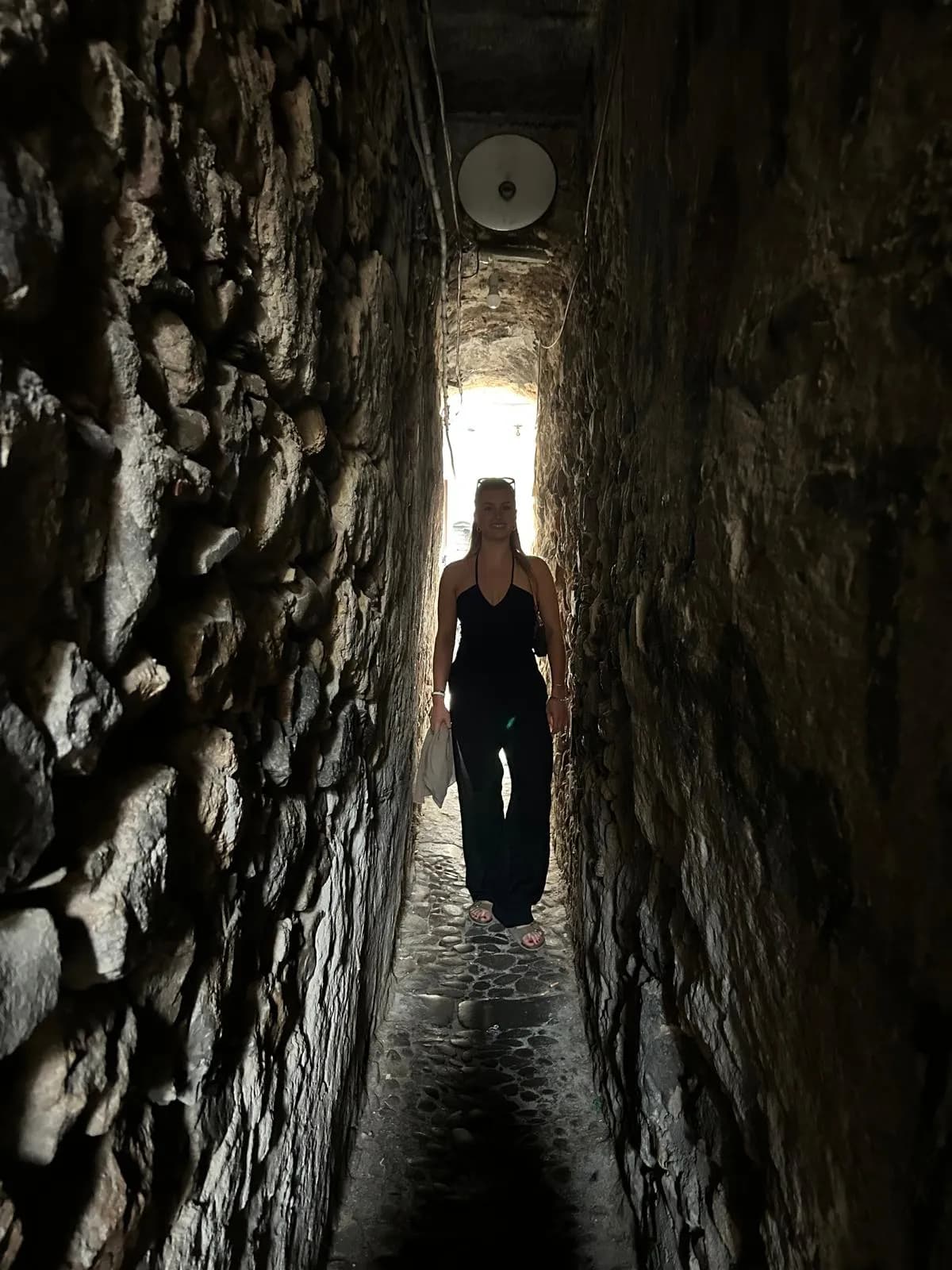
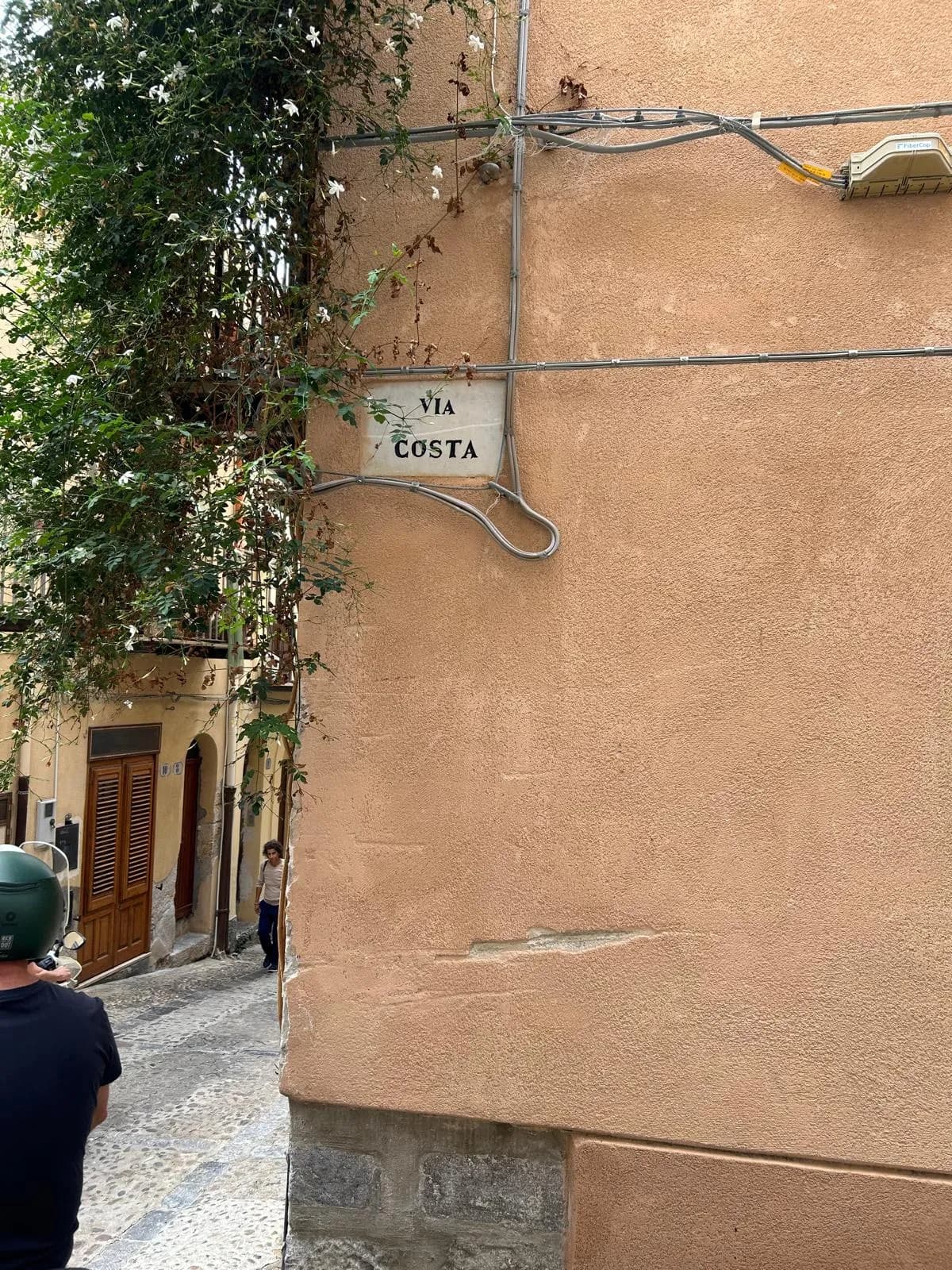
The lanes that run perpendicular — Via Candeloro, Via Porpora, Via Giudecca, the unnamed vicoli between them — are where the town reveals itself. Courtyards behind iron gates. Workshop doors left open showing shelves of hand-painted tiles. A line of laundry across a passage too narrow for two people to pass comfortably. The ceramics here tend toward the traditional Sicilian designs — lemons, Moors' heads, the distinctive blue-and-yellow geometric patterns — though a few newer studios do more interesting things. Browse without obligation; most shopkeepers understand that looking and leaving is part of the conversation.
Via Candeloro, which runs parallel to the Corso closer to the sea wall, is the lane that feels most like a film set, which is probably why it appears in every photograph of Cefalù. The actual sea wall at the end of it is worth reaching: flat rock dropping directly into the water, fishing boats tied up below, and a clear view west toward the headland.
The Lavatoio Medievale
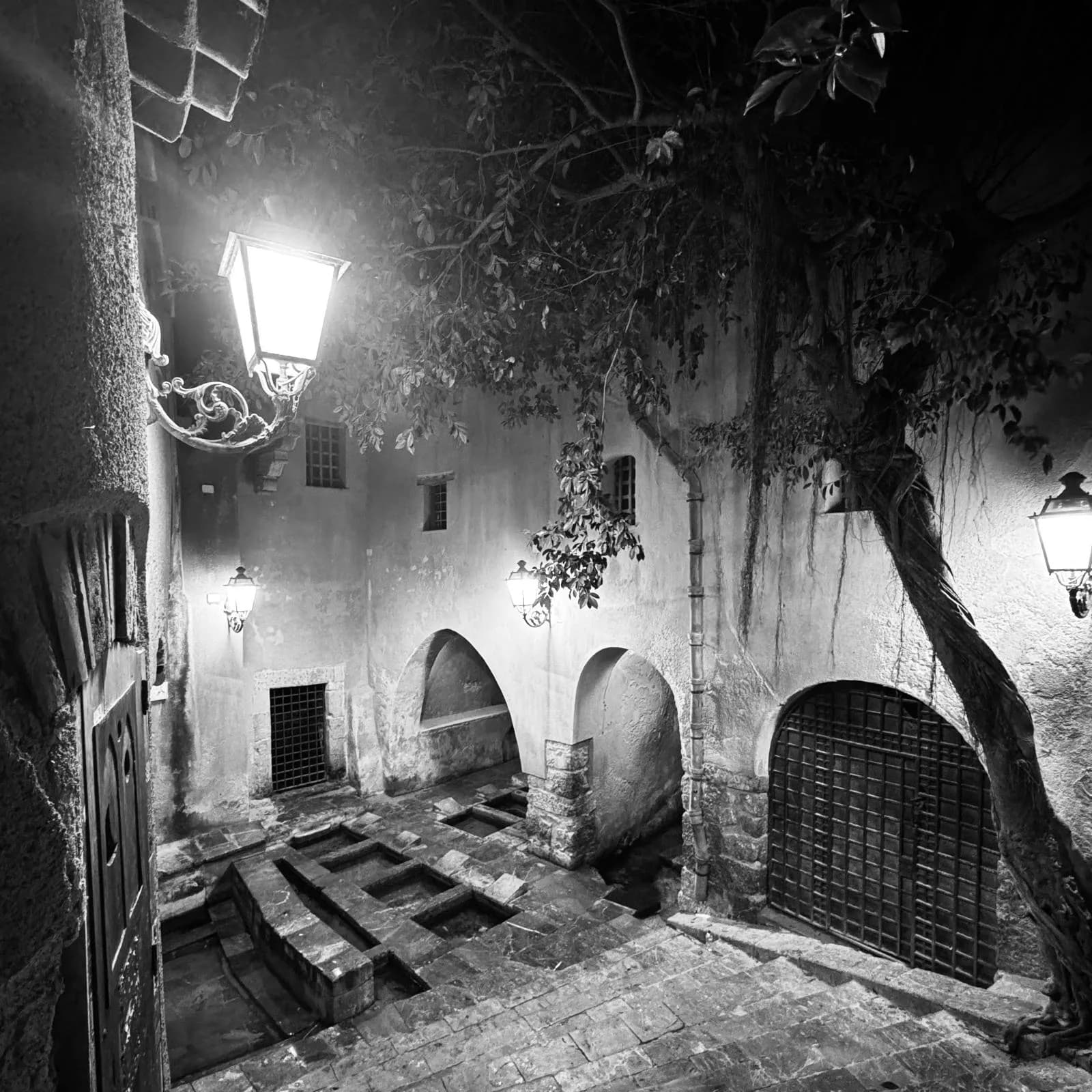
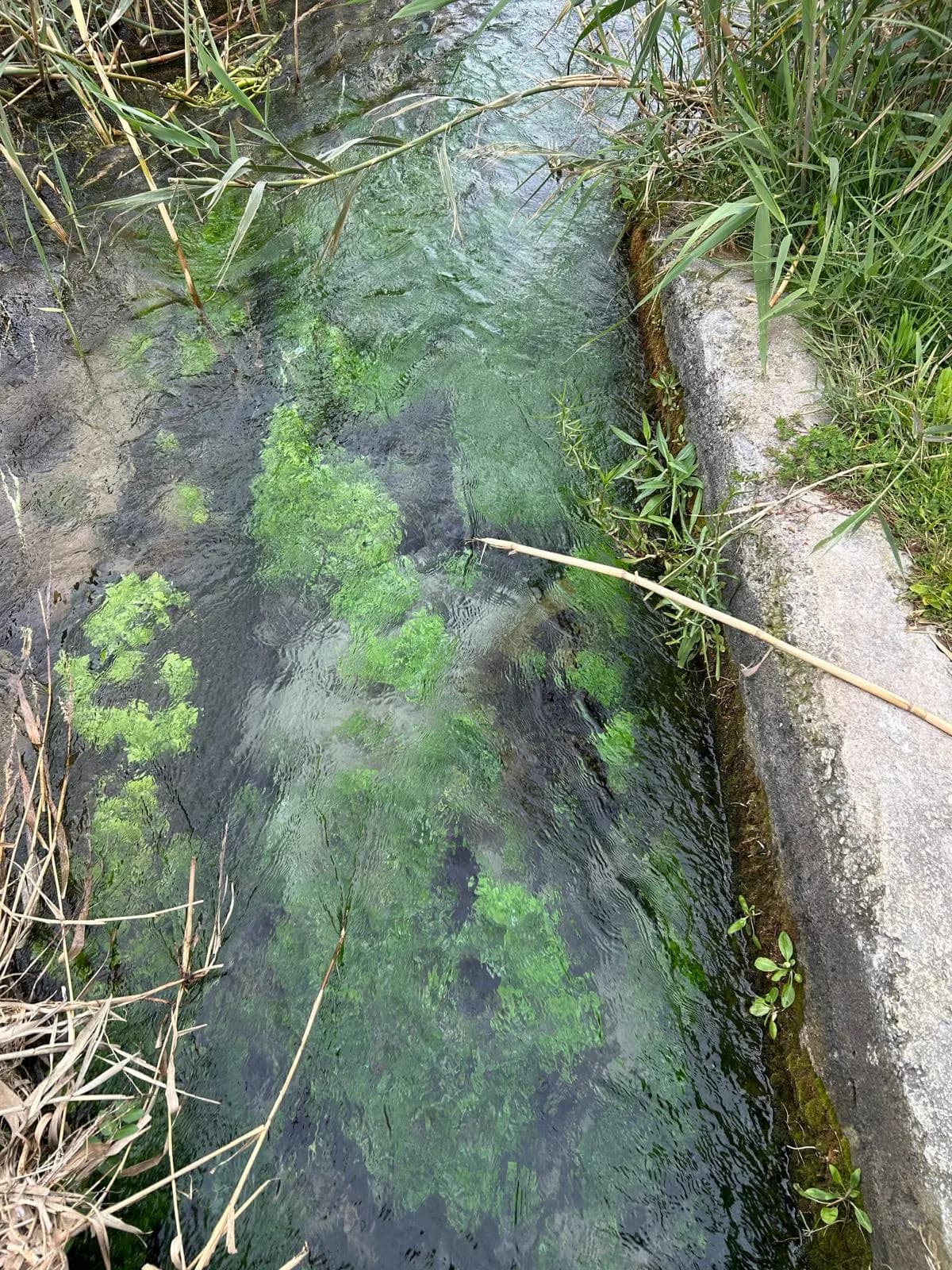
At the eastern end of Via Vittorio Emanuele, a lava-stone staircase descends below street level to a vaulted chamber fed by the underground Cefalino river. The Lavatoio Medievale — medieval wash house — has been here since at least the 15th century. Twenty-two cast-iron spouts feed the stone washing tanks, fifteen of them carved as lion heads. The water is very cold even in August. The chamber itself is cool and quiet, which makes it one of the most pleasant places in town to pause on a hot afternoon.
Entry is free. It takes about fifteen minutes, less if you are with children who have already discovered what the cold water does to their hands. The setting is what matters — this is not a museum exhibit but a working structure that operated continuously until the 1960s. The groove worn into the stone by centuries of washerwomen scrubbing cloth is visible if you look for it.
Mandralisca Museum and the Portrait of a Man
The Museo Mandralisca on Via Mandralisca, a short walk from the cathedral, holds the painting that justifies the visit on its own terms: Antonello da Messina's Ritratto d'uomo (Portrait of a Man), painted around 1465. It is a small work — not much larger than a sheet of paper — but Antonello's technique was revolutionary for its time, deploying the Flemish oil method he had studied before most Italian painters knew it existed. The expression on the subject's face has been described variously as amused, sardonic, and unknowable. We think all three are right.
The museum also holds Greek and Roman archaeological pieces from the area, an important collection of ancient coins, and a natural history collection assembled by Baron Mandralisca in the 19th century. Allow 45 minutes for the full collection, or fifteen if you go only for the Antonello. Admission is around €6 for adults; check the museum website for current rates. On a rainy afternoon there is no better use of an hour in Cefalù.
Shopping: what is worth buying
The old town lanes sell three things worth taking home: ceramics, capers, and wine. The ceramics are the most visible — every other shop sells hand-painted tiles, plates, and decorative pieces in the Sicilian tradition. Quality varies significantly. The workshops where you can see someone actually painting, rather than just selling, are worth more of your time. Prices are fair; negotiating is not expected but will not cause offence.
For food, look for salted capers from the Aeolian Islands — Cefalù is close enough that the pantry shops carry good ones. Rinse thoroughly before use. Olive oil pressed from Madonie trees is darker and more peppery than anything you find in a supermarket at home. The alimentari along the Corso stock it alongside local cheeses — provola delle Madonie in particular, a stretched-curd cow's milk cheese with a Slow Food Presidium designation. For wine, a bottle of Grillo (the local white) or Nero d'Avola (the Sicilian red) costs €6–12 in a shop and travels well. See our food shopping guide for the specific shops we use.
Common questions
What is there to do in Cefalù when it rains?
The Mandralisca Museum is the first choice — Antonello da Messina's Portrait of a Man alone is worth the €6 entry. The cathedral nave is free and magnificently lit even on grey days. The old town lanes and ceramics shops are covered or sheltered. Rain in Cefalù rarely lasts more than a few hours, and a long lunch at one of the trattorias fills the gaps well.
Is the Cefalù old town walkable?
Entirely. End to end is about fifteen minutes at a normal pace. The main lanes are cobbled and hilly in places but never steep enough to be difficult for most people. Pushchairs are hard work on the cobbles — a baby carrier is better. Sensible flat shoes are a good idea; the smooth-worn stones get slippery when wet.
Is Cefalù suitable for a day trip from Palermo?
Yes. The train from Palermo Centrale takes about an hour and runs every 30–60 minutes. In a full day you can see the cathedral and the Mandralisca Museum in the morning, swim off the Lungomare at midday, explore the old town in the afternoon, and still catch an early-evening train back. That said, Cefalù rewards a longer stay — most of our guests book at least four nights.
What is the Lavatoio Medievale in Cefalù?
A medieval wash house built over an underground spring, at the end of Via Vittorio Emanuele. Stone tanks fed by 22 cast-iron spouts (15 shaped as lion heads), very cold water year-round, a cool vaulted chamber. Entry is free. Allow 15 minutes. Go in the afternoon heat when the chill of the chamber is most welcome.
Do I need a car to get around Cefalù?
Not for the old town, the cathedral, the beach, or La Rocca — everything is within ten minutes on foot. You will want a car or e-bike for Kalura (20 minutes east), the Madonie villages, and further day trips. Guests at our properties have complimentary e-bikes, which handle most of what you need without the parking complications.