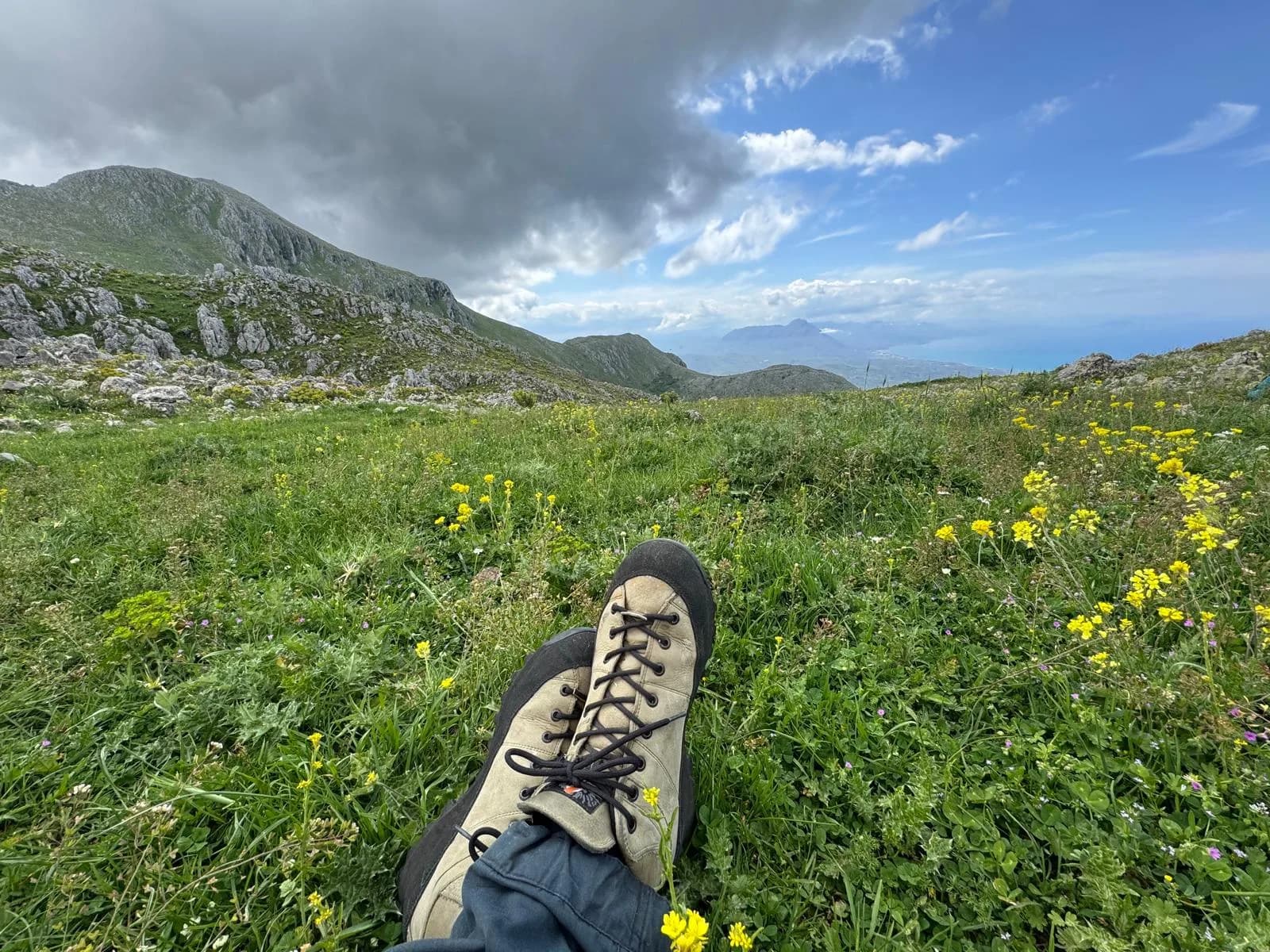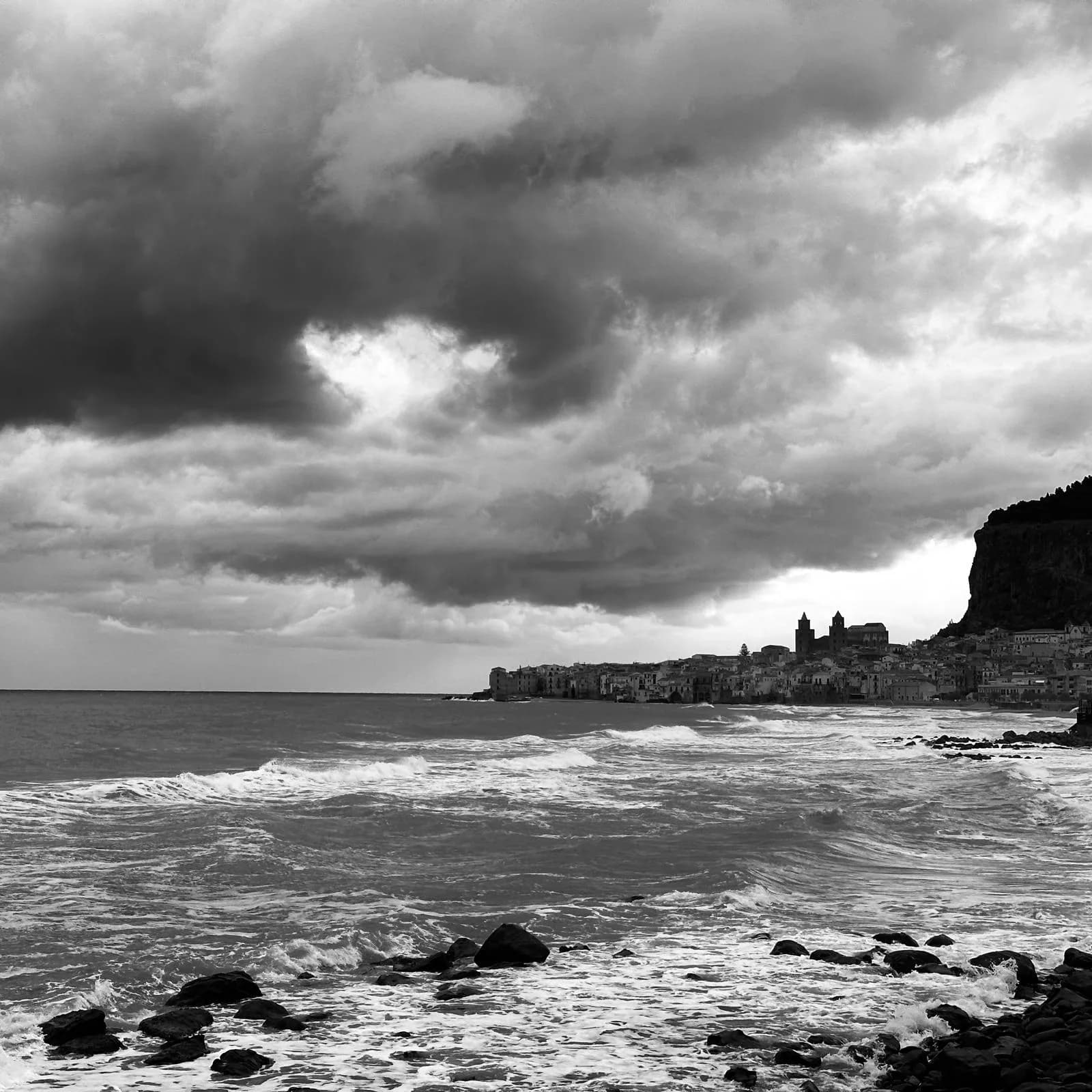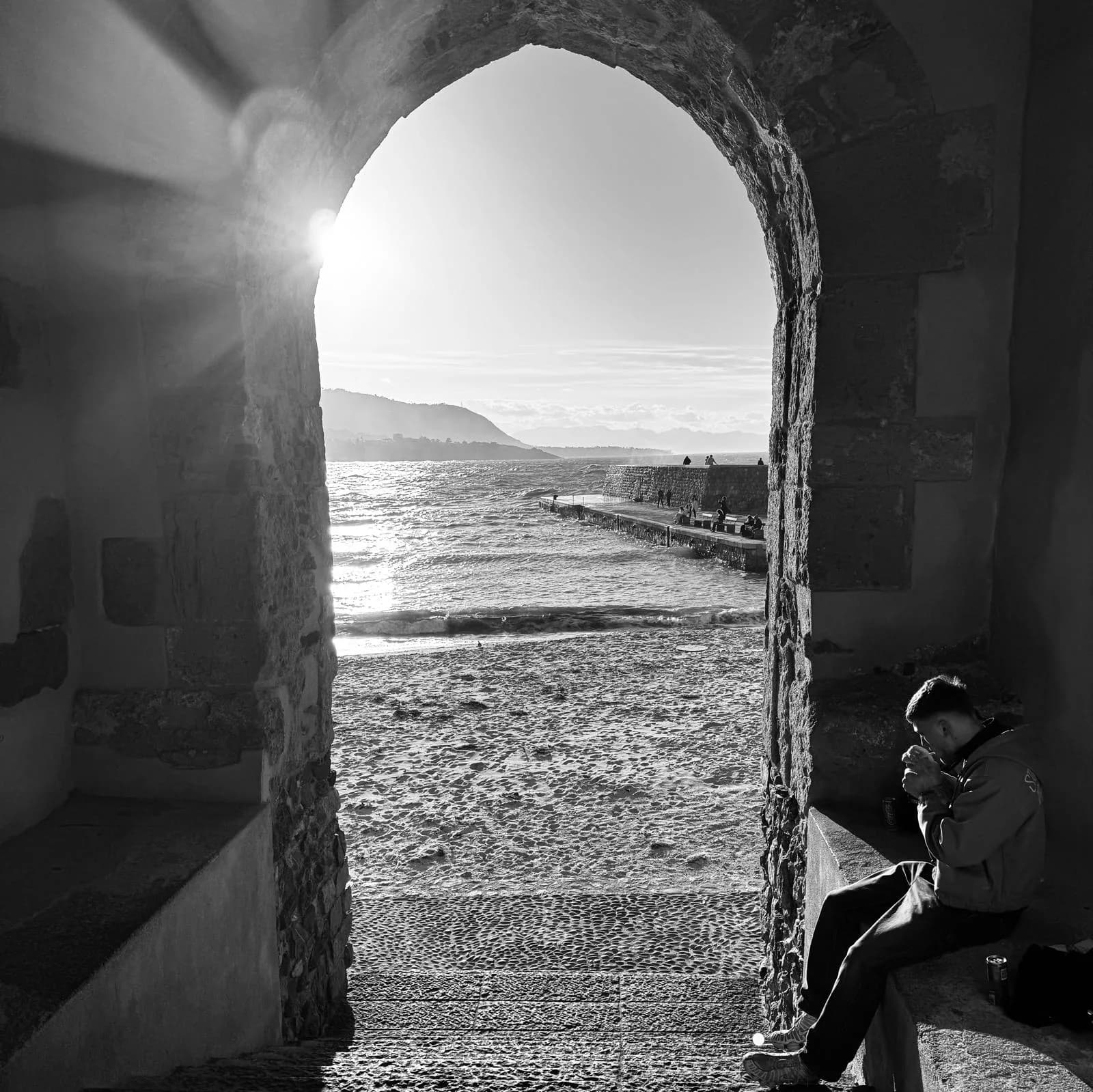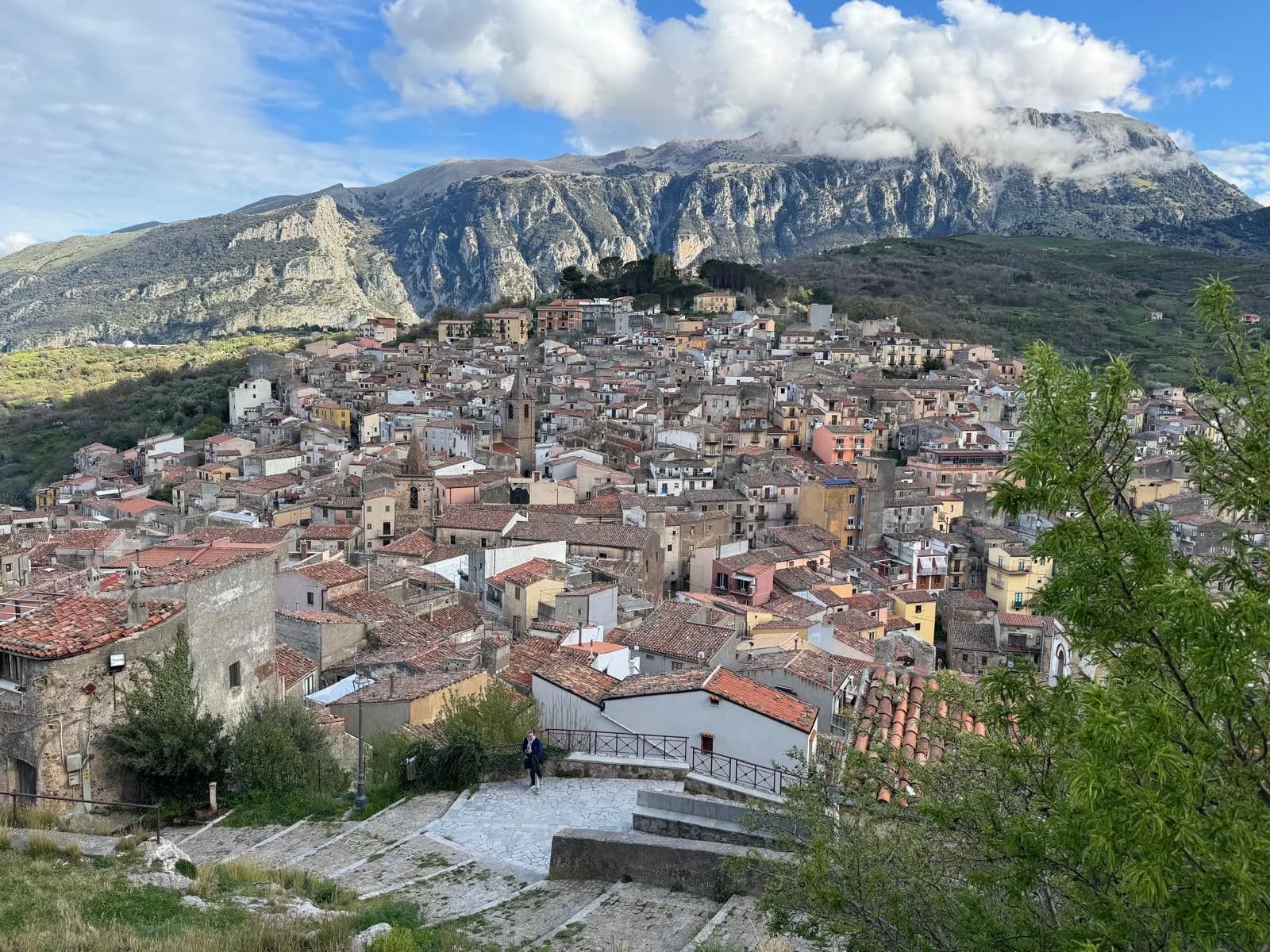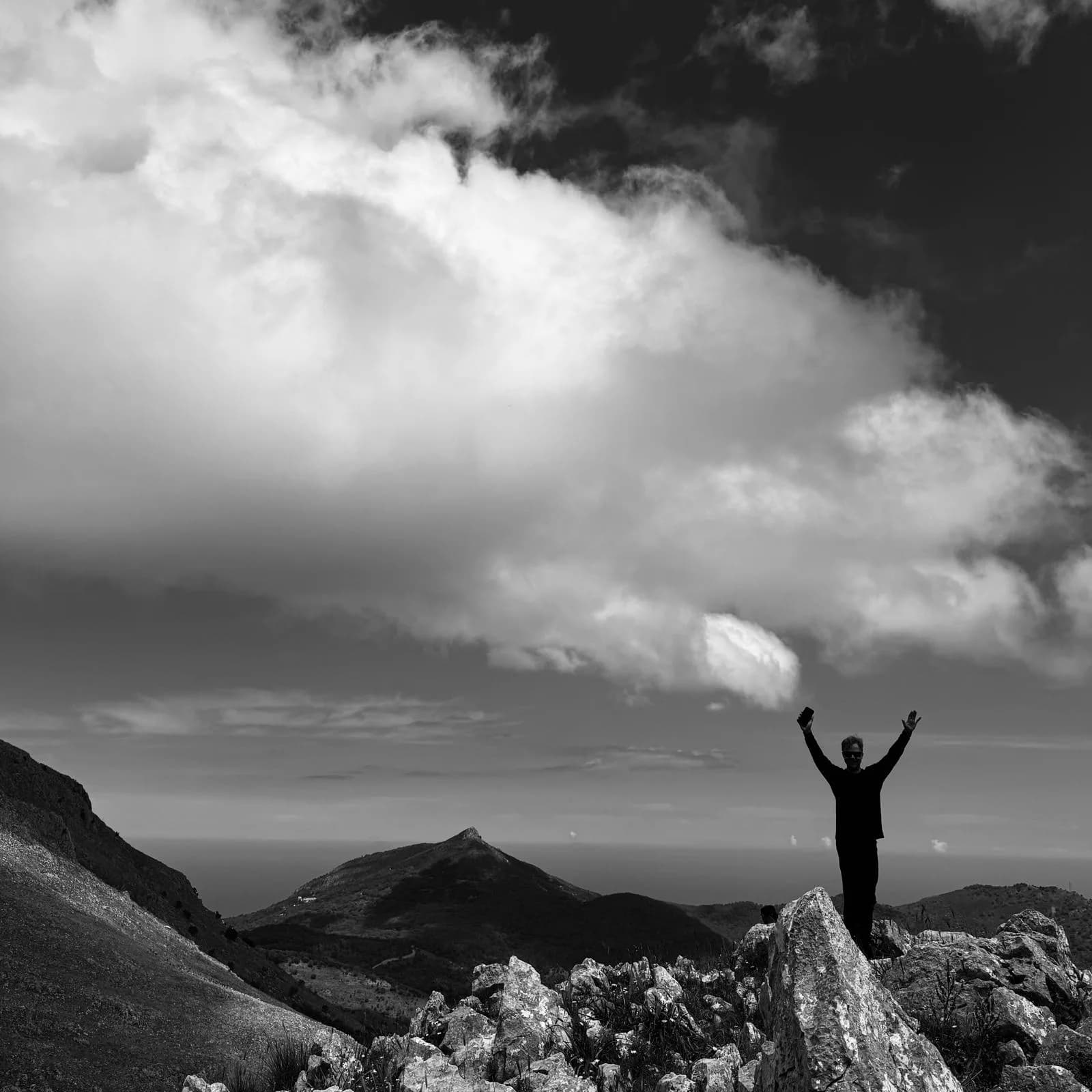
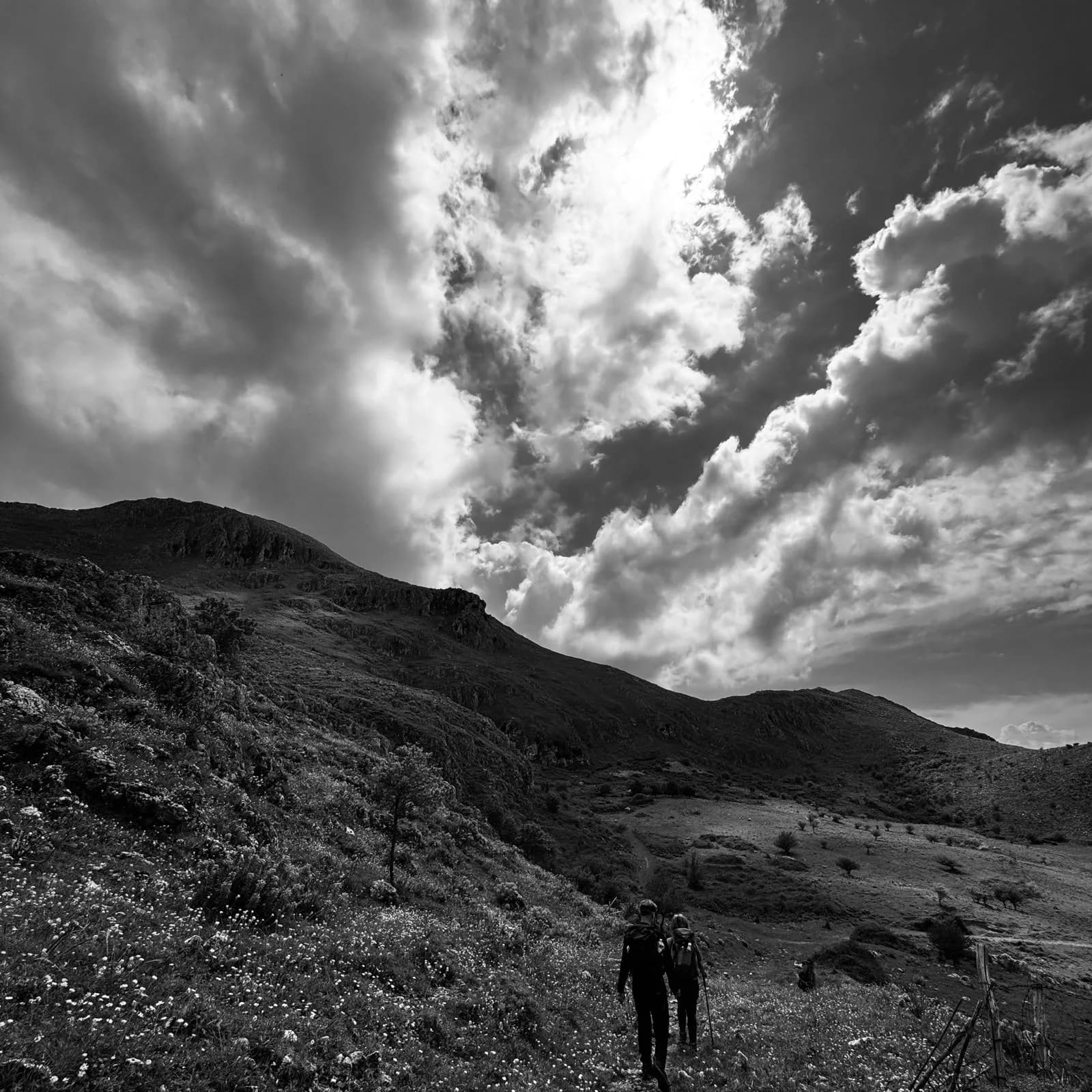
The thing about Cefalù is that you can finish a hike and be back on the beach by lunchtime. Fifteen minutes inland, the landscape changes entirely — limestone ridges, old-growth beech forests, medieval villages clinging to hillsides. The Madonie National Park starts where the coast road ends, and it is Sicily's quietest mountain range.
We use this guide for two kinds of hikers: guests who want a morning trail before the afternoon on the sand, and those who came specifically for the Madonie and want proper routes with real elevation. Both are here. La Rocca suits the first; Pizzo Carbonara and the Giant Holly Woods suit the second.
The best months are April to June and September to October. July and August are survivable on the La Rocca trail if you start at 08:00, but anywhere below 1,200 m becomes unpleasant by 10:00. We do not recommend low-elevation hiking in the midday heat of summer. The Madonie, at altitude, is a different story.
La Rocca — the hike above the town
The 270 m rock that defines Cefalù's skyline has a proper trail up it, and it is the signature morning in town. The trailhead is at Salita Saraceni 21 on the east side of the old town — follow the signs from the ticket booth on Via Pitre. The round trip is 3.4 km with 241 m of elevation gain. Steep stone steps for the first section, then dirt path to the top.
At the summit: the ruins of an 11th-century Norman castle built over a 9th-century Arab citadel, 360° views across the Tyrrhenian Sea and the Madonie, and on clear days a line of sight from Palermo to Capo d'Orlando. On the way up, a side path leads to the Tempio di Diana — a megalithic sanctuary dating to the 9th–8th century BC. Do not skip it.
Entry costs €5 (€2.50 reduced). The gate opens at 08:00 and closes at 20:00; last entry is 18:30. Sandals and smooth-soled shoes are not allowed at the entrance. Bring at least 1 litre of water — there is none on the trail. Go early: the upper section has zero shade, and the path is noticeably less crowded before 09:30.
Piano Battaglia to Pizzo Carbonara
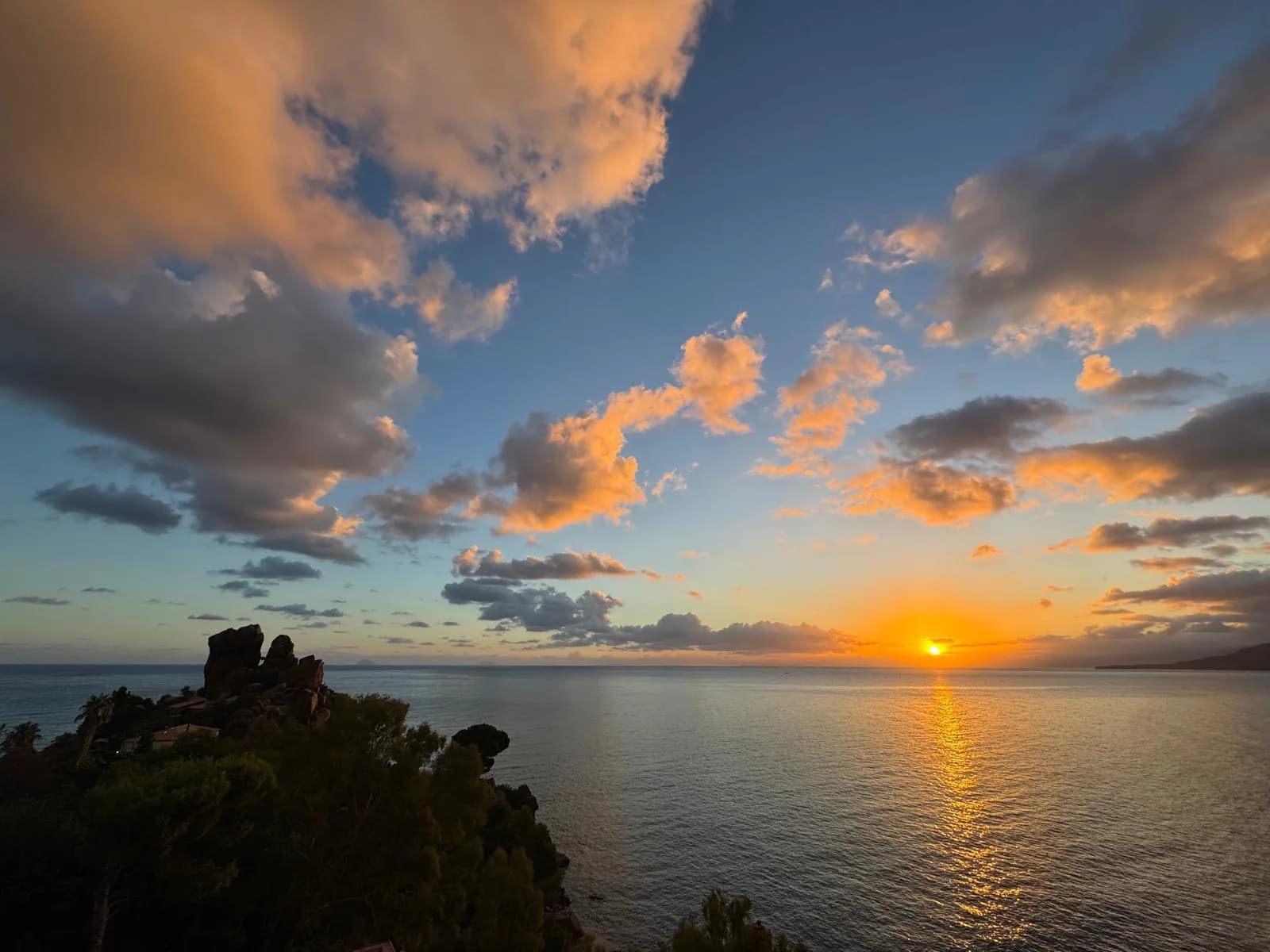
Pizzo Carbonara at 1,979 m is Sicily's second-highest peak, and the loop trail from Piano Battaglia is the best full-day hike in the Madonie. Drive to the Piano Battaglia car park on the SP54 — roughly 43 km and 50 minutes from Cefalù — which puts you at 1,600 m before you start walking.
The loop is 7.7 km with around 474 m of elevation gain, passing over Pizzo Scalonazzo (1,904 m) and Pizzo della Principessa (1,977 m) before the summit. The trail is marked with red paint and cairns and is well-signposted in good conditions. Allow 2.5 to 3.5 hours at a comfortable pace.
The terrain is rocky with loose sections — proper hiking boots, not trainers. Do not attempt this in poor visibility; the ridge can disorient quickly in cloud. The Madonie weather changes fast above 1,500 m. Bring layers even in summer. In winter, Piano Battaglia operates as a small ski area and the summit trail requires crampons after snowfall.
The Giant Holly Woods at Piano Pomo
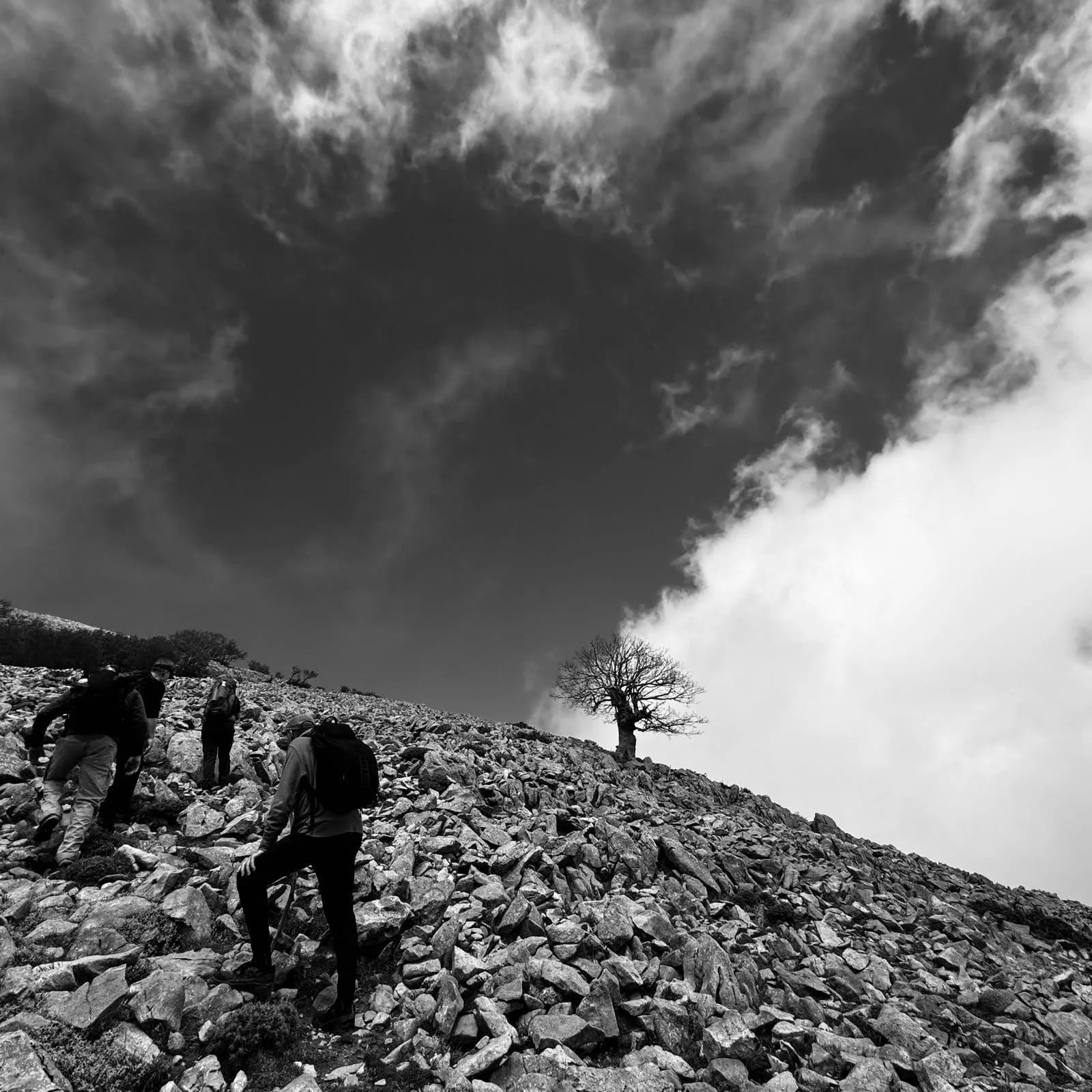
This is the hike we recommend for guests who want something beautiful without the exposure of Pizzo Carbonara. The Giant Holly Woods — Bosco degli Agrifogli Giganti — are a stand of over 100 holly trees up to 20 metres tall, centuries old, their canopies forming a green dome that is genuinely unlike anywhere else in Europe.
The trail starts at Rifugio Crispi in Piano Sempria, roughly 45 km and 55 minutes from Cefalù. It is an 8 km out-and-back with around 430 m of elevation gain, rated moderate, and takes three to three-and-a-half hours. Because the canopy provides constant shade, this is also one of the few Madonie trails that is comfortable in late June and early July when the higher ridges are baked.
For a guided day — which we strongly recommend for first-time visitors to the Madonie — Madonie Explorers (madonieexplorers.com) run English-speaking half-day and full-day trips to the Holly Woods, Pizzo Carbonara, and other routes. They are AIGAE-certified and know these trails intimately.
The Via dei Frati — Gibilmanna to Cefalù on foot
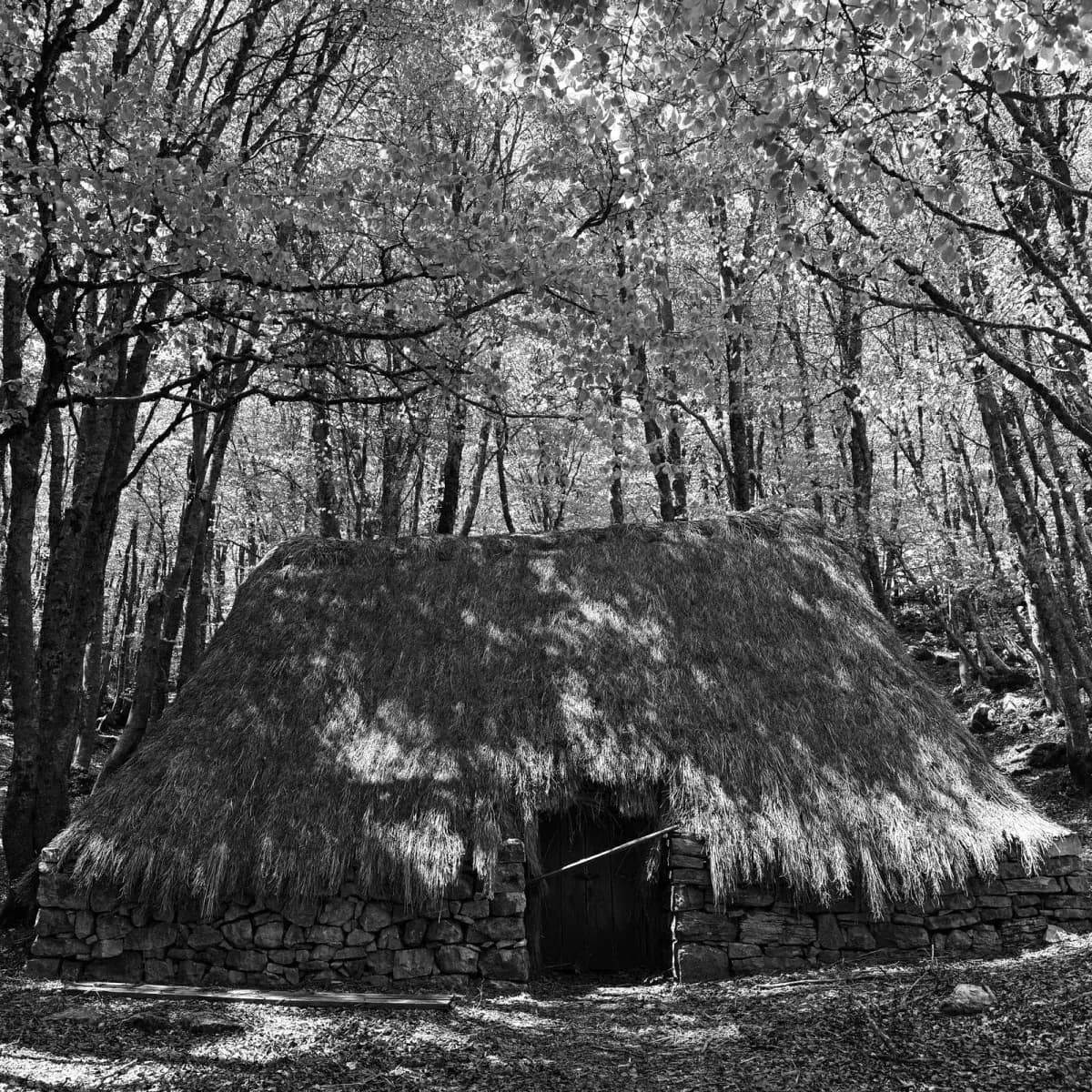
The only trail that connects the mountains directly back to Cefalù by foot. Starting from the Gibilmanna Sanctuary — a baroque pilgrimage church at around 800 m, 14 km and 20 minutes from town — the route descends 9 km to end at Piazza del Duomo in the old town. Mostly downhill, rated easy to moderate.
Arrange a car drop at Gibilmanna and walk back down. This is a good option for guests who want a proper mountain morning without the exposure of the Pizzo Carbonara ridge — the forest is dense, the views open up as you descend, and arriving back in town on foot, dusty and hungry, makes the first cold beer or granita feel justified.
The same route is also rated as one of the top mountain biking trails in the area. See our biking guide for that version.
Coastal walks from the old town
For an easy half-hour on foot rather than a proper hike: the coastal path east from the old town to Kalura Beach takes about 20 minutes and passes the marina and the base of the headland. The water at Kalura is the clearest around Cefalù — worth the walk on its own. Bring snorkelling gear. See our water sports guide for what to expect in the water.
The Sentiero degli Scogli — the rock path — continues east from La Rocca headland to Spiaggia Kalura, 9.5 km and around three to three-and-a-half hours. Moderate, with some scrambling on coastal boulders. Not a signed trail: check conditions before you go and wear shoes with grip.
When to hike near Cefalù
September is the best single month. The summer heat has broken, the trails are dry, the days are still long, and the Madonie is quiet. Late May to early June is a close second — 20 to 25°C, wildflowers on the ridges, and the light in the Madonie is extraordinary at that time of year.
Avoid July and August for anything below 1,200 m. The Giant Holly Woods is the exception — the canopy keeps it cool. La Rocca is manageable in summer only if you start at 08:00 when the gate opens. By 10:00 it is brutal.
April and October are good for those who do not mind occasional rain. The Madonie above 1,500 m can carry snow as late as April and as early as November.
Common questions
How long does it take to hike La Rocca in Cefalù?
The round trip is 3.4 km with 241 m of elevation gain. Most people take 1 to 1.5 hours up and 45 minutes down. The gate opens at 08:00 and closes at 20:00 (last entry 18:30). Sandals are not permitted at the entrance — the ticket booth will turn you away.
How far is the Madonie National Park from Cefalù?
The park boundary starts roughly 15 minutes from the old town by car. Gibilmanna Sanctuary — a good first stop and trailhead — is 14 km and 20 minutes away. Piano Battaglia, the start of the Pizzo Carbonara loop, is 43 km and about 50 minutes.
What is the best hike near Cefalù for beginners?
La Rocca is the obvious choice — 3.4 km round trip, 241 m elevation gain, well-maintained stone path, and you finish with a view of the whole Tyrrhenian coast. Start at 08:00 in summer. For something in the Madonie without a big climb, the Via dei Frati descent from Gibilmanna to Cefalù (9 km, mostly downhill) is a beautiful half-day.
Do I need a guide to hike in the Madonie?
Not for La Rocca or the well-marked Piano Battaglia loop, but we strongly recommend Madonie Explorers (madonieexplorers.com) for first-time visitors. They are AIGAE-certified, English-speaking, and know the trails at every season. For anything off the main paths, a guide is essential — the Madonie is a real mountain range.