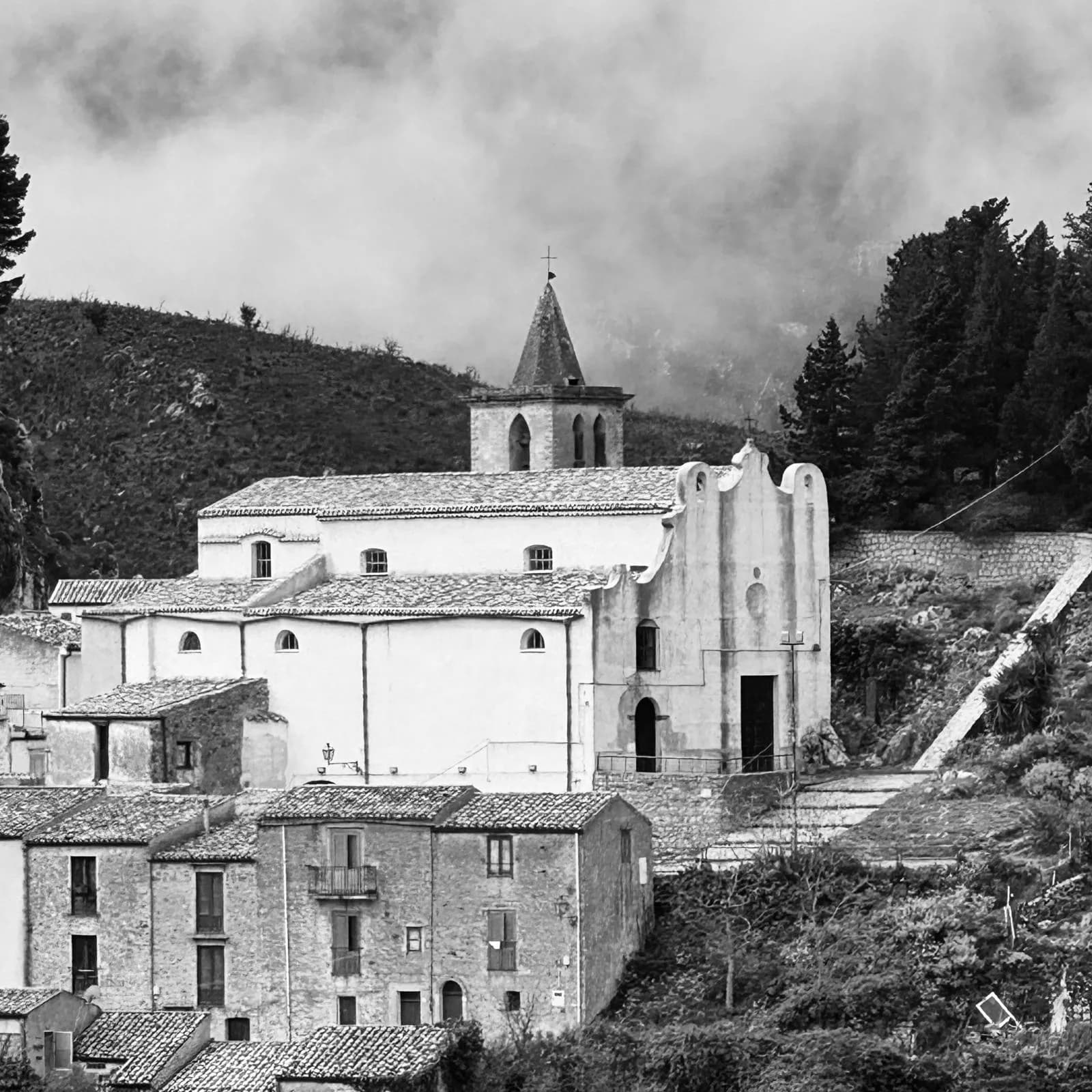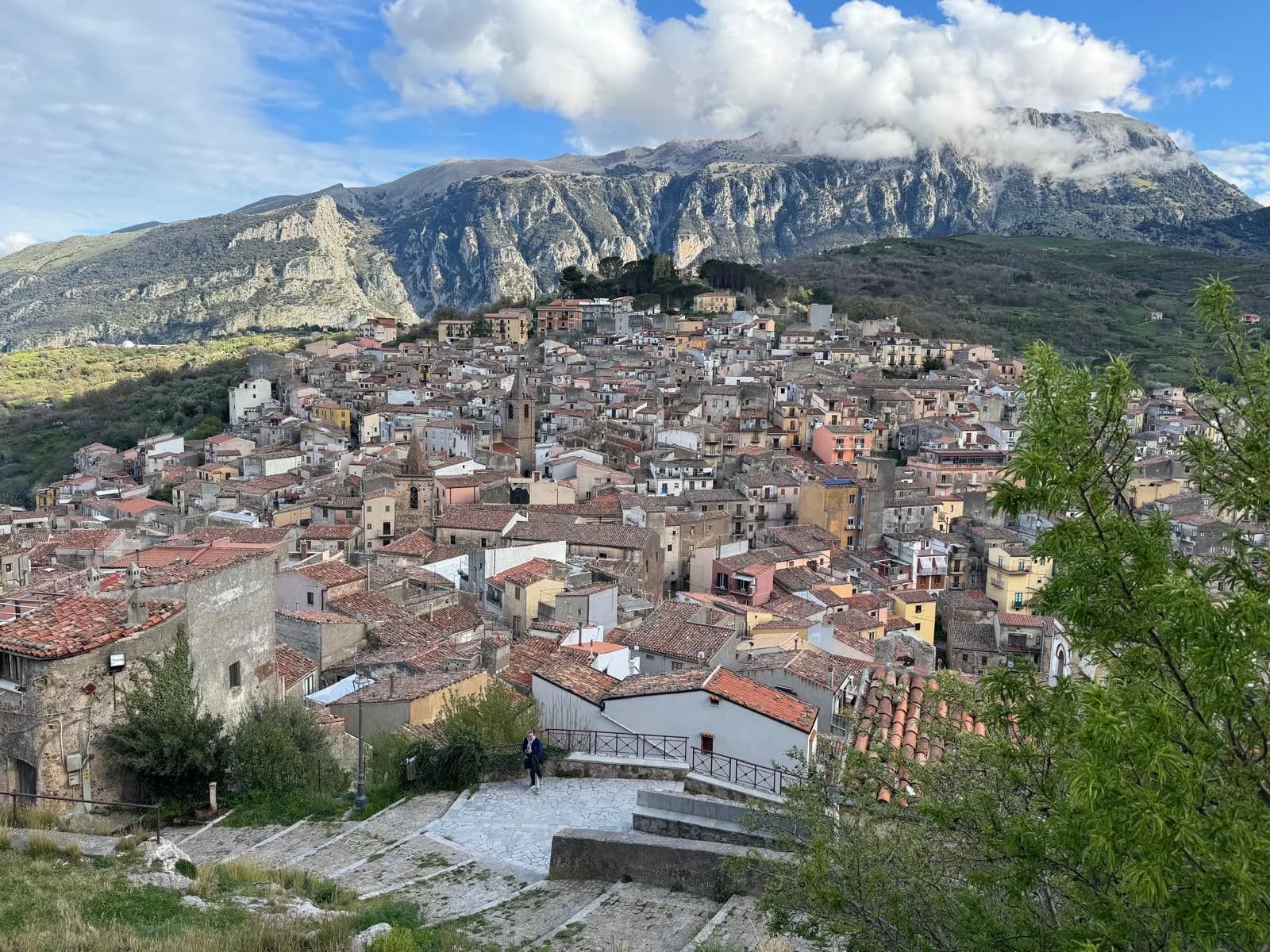
One of the things that surprises our guests most about Cefalù is how much there is within striking distance. Fifteen minutes south and the coast disappears completely — you are in a limestone mountain landscape with beech forests, medieval hill villages, and hiking trails that see a fraction of the traffic that La Rocca does. Drive thirty minutes in either direction along the coast and you find yourself somewhere quieter, with different beaches and different rhythms. Palermo is an hour by train.
We encourage our guests to spend most of their time in Cefalù itself — it rewards depth more than most places. But if you are staying four nights or more, one or two days out of town will show you the other half of what this part of Sicily is.
Madonie National Park — the mountains behind the town
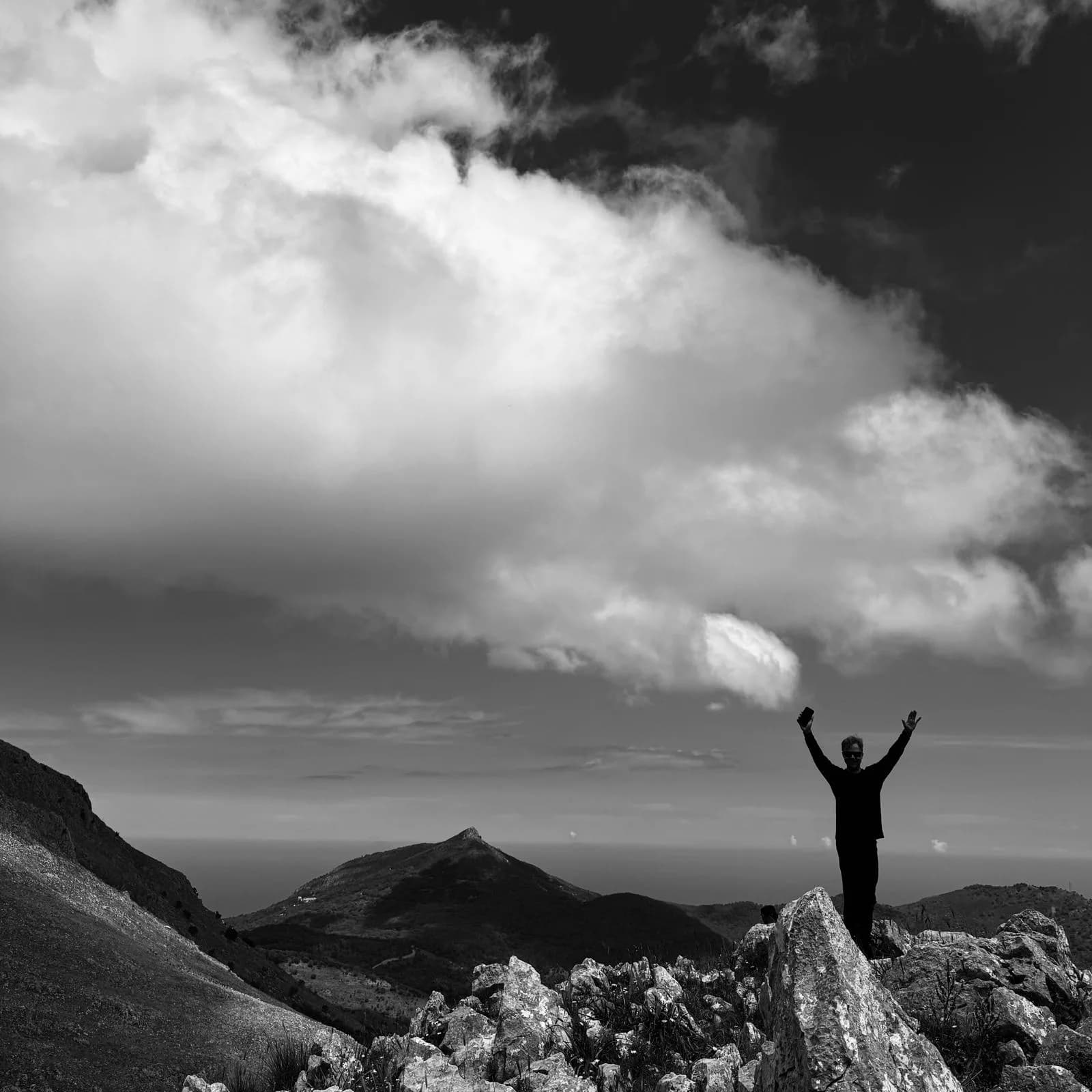
The Madonie National Park begins about fifteen minutes south of Cefalù by car. It covers nearly 40,000 hectares of limestone peaks, old-growth beech and holly forests, and mountain villages that predate the Norman conquest. Sicily's second-highest peak, Pizzo Carbonara (1,979 metres), is inside the park and accessible via a well-marked trail from Piano Battaglia — a 7.7 km loop with around 470 metres of elevation gain, manageable for anyone who walks regularly. Allow three to four hours plus the drive.
The park's most unusual feature is the Bosco degli Agrifogli Giganti near Piano Pomo — a stand of giant holly trees, some over 20 metres tall and centuries old, forming a closed canopy in an area about the size of a large field. Nothing else in Europe looks like this. The access road from Rifugio Crispi is driveable and the walk in is about eight kilometres return. The canopy provides shade, which makes it one of the few summer hiking options that is not miserable in July.
September is the best month for hiking in the Madonie — the summer heat has broken, the trails are dry, and the beech forests are just starting to turn. See our full hiking guide for trail-by-trail detail, distances, and what to bring. We've also mapped this into a full day plan in our mountains day itinerary.
Castelbuono — the mountain town worth a morning
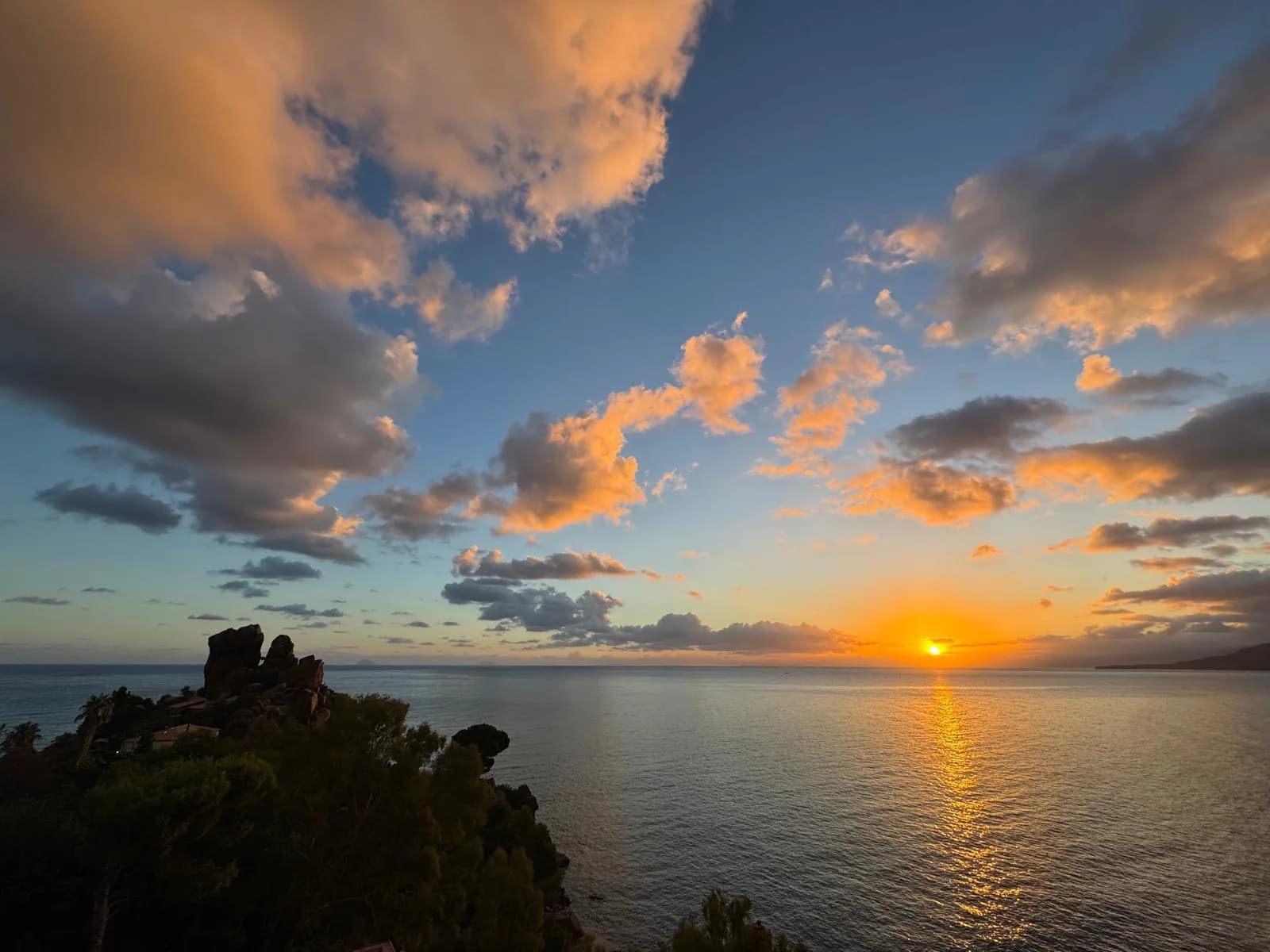
Castelbuono is 23 kilometres inland from Cefalù — about 25 minutes by car up into the Madonie foothills. It is a proper working Sicilian mountain town: a 14th-century Ventimiglia Castle at its centre, a good daily market on Thursday mornings, and a pastry tradition built around manna — the sweet resin harvested from ash trees that grow only in this part of Sicily. Fiasconaro, the most famous pastry shop in town, exports manna-based products across Italy. The torrone al miele of the Madonie and the manna panettone are both worth bringing home.
The Slow Food products from the Castelbuono area are genuine rather than marketed — provola delle Madonie cheese, horn peppers from Polizzi Generosa, and seasonal mushrooms from the beech forests in autumn. If you are self-catering, the Thursday market is the best single shopping stop in the area. The castle, which houses a small chapel with a Flemish ceiling and a natural history museum, is open for visits and takes about 45 minutes.
Castelbuono works well as a half-day combined with a Madonie hike: drive up, park in the centre, walk for two or three hours in the hills, come back to town for lunch, and return to the coast in the afternoon. The restaurants in Castelbuono use the local produce seriously — ask locally for what is good when you visit.
The coastal road east and west
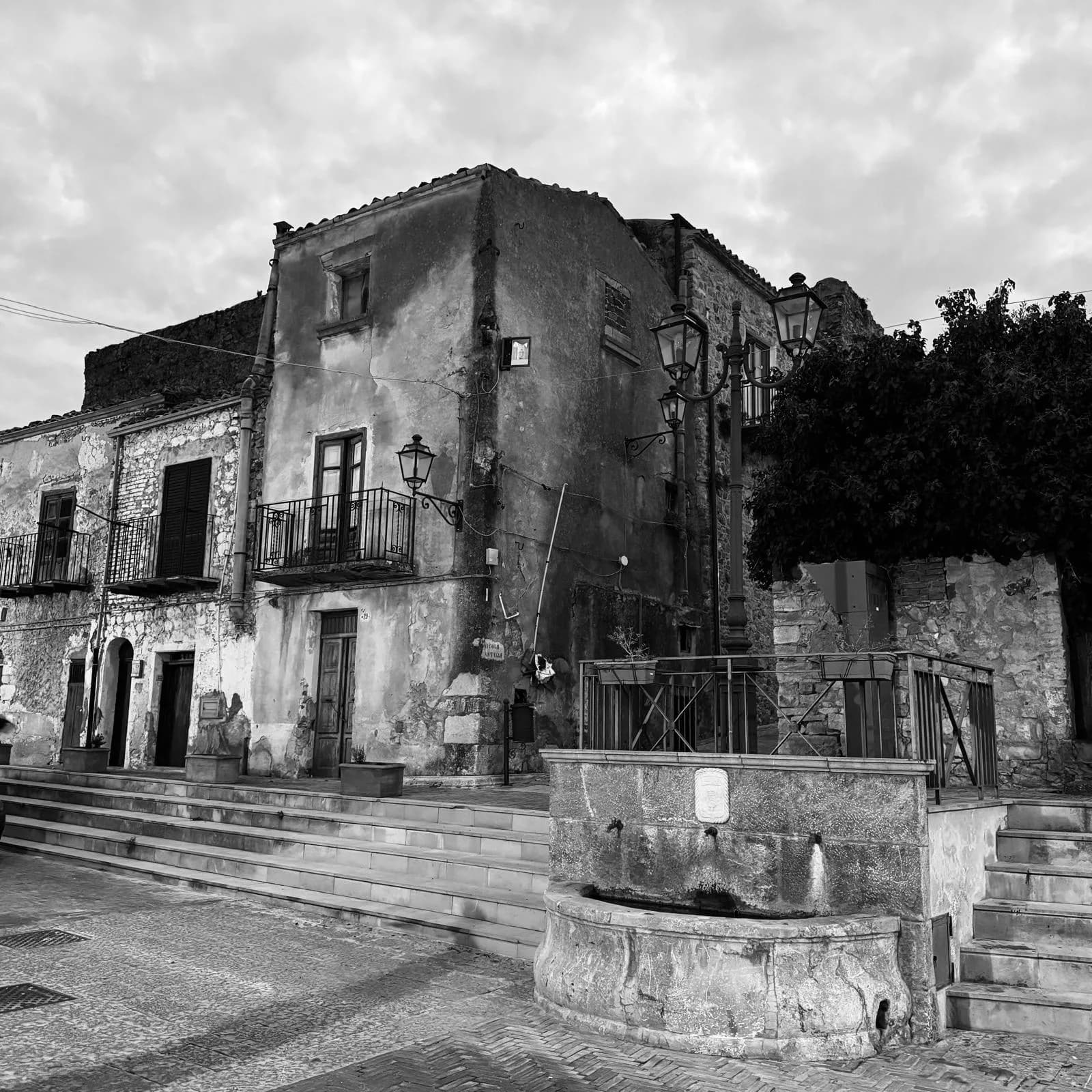
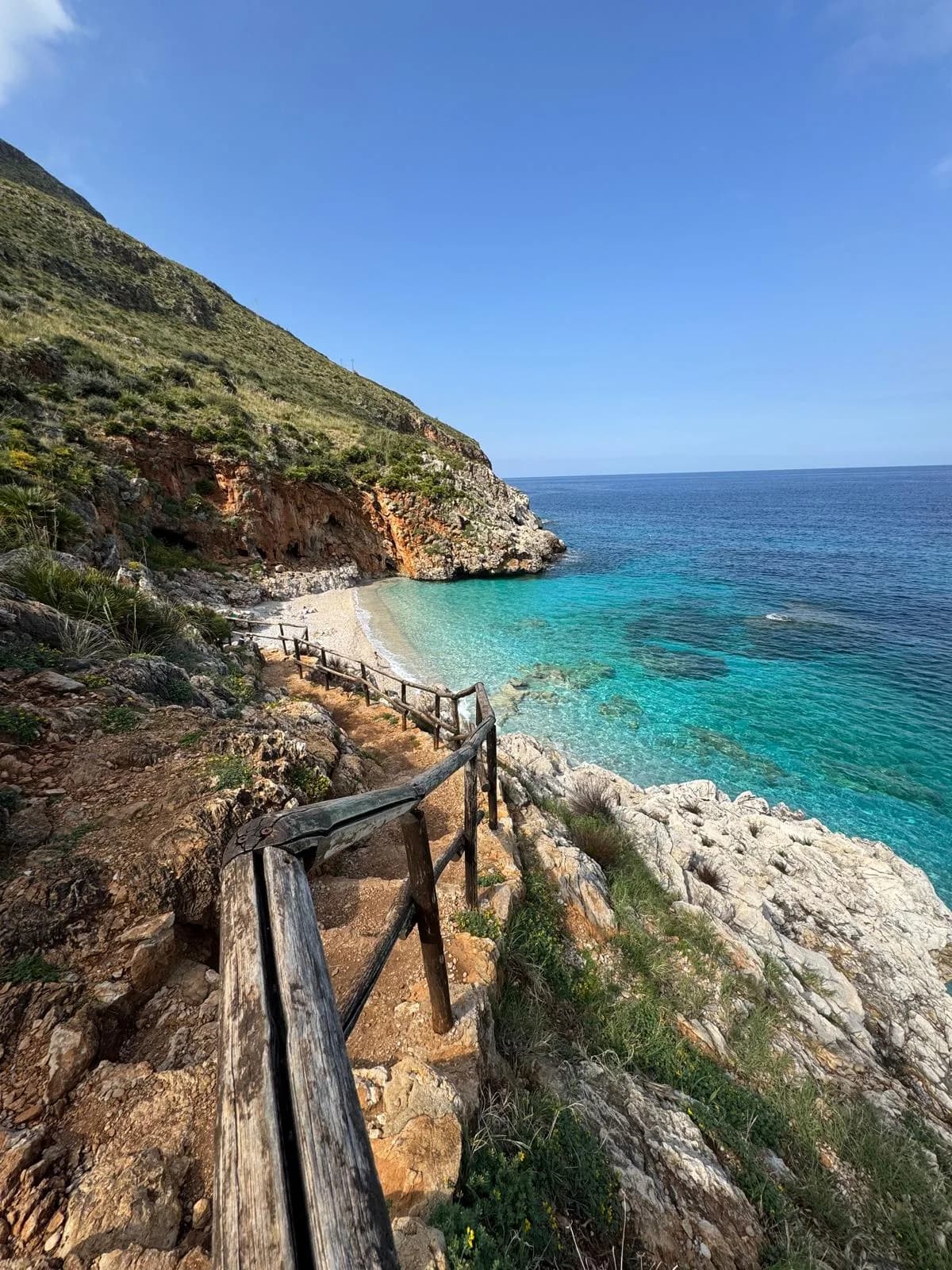
The SS113 coastal road east from Cefalù toward Capo d'Orlando passes through stretches of the Tyrrhenian coast that are significantly quieter than the town itself. Finale di Pollina, about 15 kilometres east, sits on a promontory above the sea with a small beach and views back toward Cefalù headland. The drive takes 20 minutes and rewards a stop. Further east, Tindari has a Greek theatre (4th century BC) and a black Madonna shrine on a cliff above the sea — about 90 minutes from Cefalù, worth combining with Capo d'Orlando for a full day.
West toward Palermo, Termini Imerese is unremarkable but the coast road itself is good driving. If you want a beach day away from the Lungomare, Mazzaforno and Campofelice di Roccella — both within fifteen minutes west — have long sandy beaches that the Cefalù day-trippers do not tend to reach.
Palermo — an hour by train
Palermo is 70 kilometres west and roughly an hour by train from Cefalù station — trains run every 30 to 60 minutes. It is a full city: chaotic, loud, and extraordinarily food-focused. The Ballarò and Vucciria markets are among the best in the Mediterranean. The Palatine Chapel (inside the Norman Palace) holds Byzantine mosaics that rival anything in the region, including the Cefalù Pantocrator. The Quattro Canti — the baroque crossroads at the centre of the old city — and the Arab-Norman churches of San Giovanni degli Eremiti and La Martorana are all close to the station.
Palermo is better as a day trip from Cefalù than the other way around. The city is harder to stay in — noisier, hotter in summer, harder to park — and the train ride is easy. Our suggestion: take the first train in the morning, spend four to five hours in the historic centre and markets, eat a late lunch in Ballarò, and catch an afternoon train back. You will be ready for the quiet of the old town by early evening.
For getting between the two, see our transport guide for train times and the best approach by car.
Common questions
When is the best time of year for hiking the Madonie?
September and early October are the best months — the summer heat has eased, the trails are dry, and the beech forests start to turn. May and June are also excellent, with wildflowers and long days. July and August are manageable only on early starts; the Bosco degli Agrifogli (Giant Holly Woods) is the exception, with full canopy shade. Avoid exposed ridgeline walks in the middle of summer days.
How far is Castelbuono from Cefalù?
About 23 kilometres by car — roughly 25 minutes under normal conditions. There is no direct bus service between Cefalù and Castelbuono; you need a car. The drive up through the Madonie foothills is good in itself, especially in autumn when the colours change.
Can you visit the Madonie without a car?
With difficulty. There are some bus services from Cefalù to Castelbuono and other Madonie villages, but they run infrequently and do not serve the trailheads. For serious hiking, a car is effectively necessary. Alternatively, guided day hikes depart from Cefalù with Madonie Explorers (madonieexplorers.com), who handle transport from town.
Is Cefalù suitable for a day trip from Palermo?
Yes. The train from Palermo Centrale takes about an hour and runs every 30–60 minutes. In a full day you can see the cathedral, climb La Rocca, swim, and have lunch. That said, Cefalù rewards a longer stay far more than a day allows — most of our guests book at least four nights.
What is manna from Castelbuono?
A natural sweetener harvested from the sap of ash trees (Fraxinus ornus) that grow in the Madonie hills around Castelbuono and Pollina. The sap dries on the bark into pale, brittle stalactites. Very few producers remain — it is a Slow Food Presidium product. Used in local pastries, torroni, and the Fiasconaro manna panettone. It tastes faintly floral and less sweet than sugar.