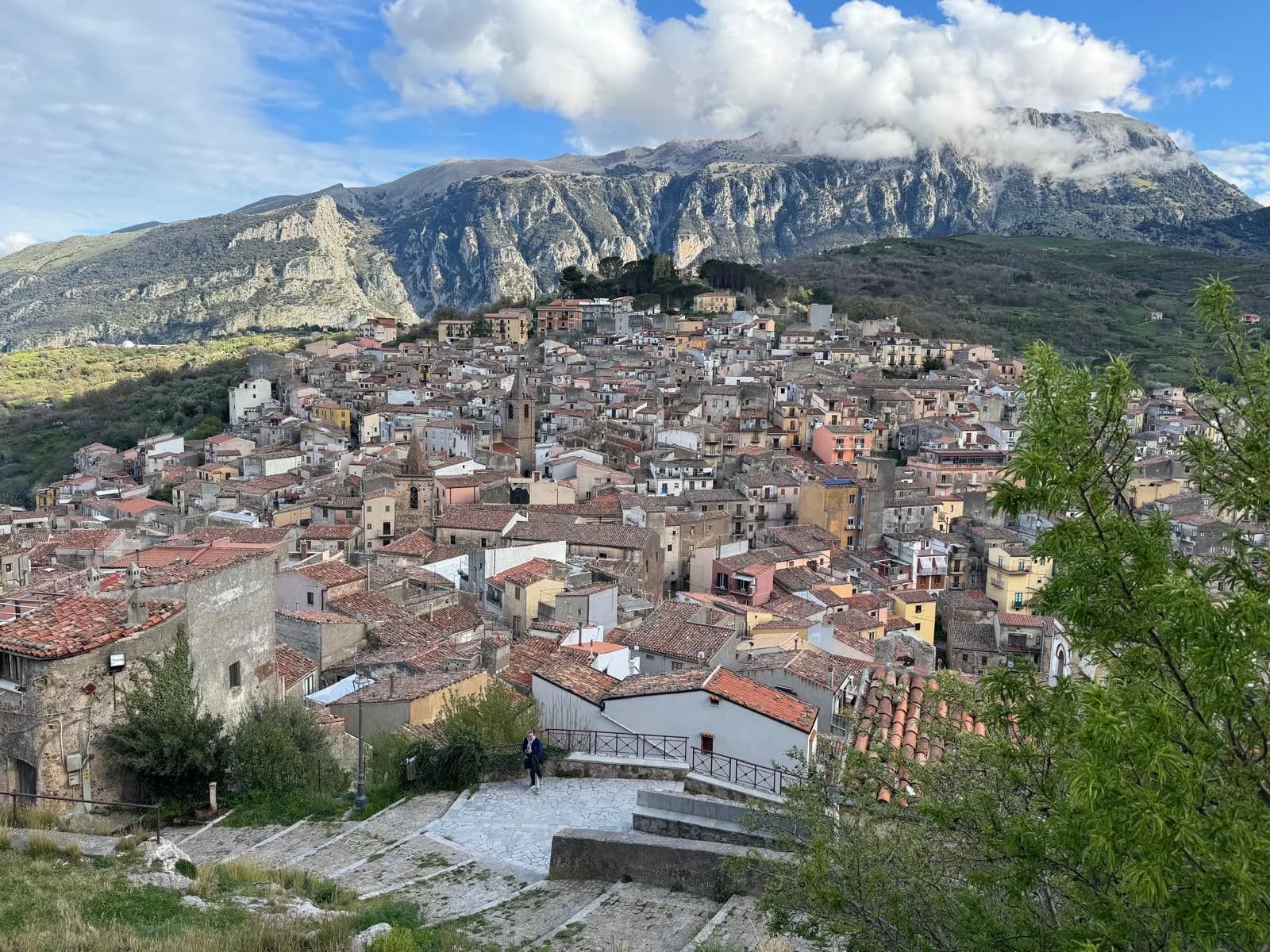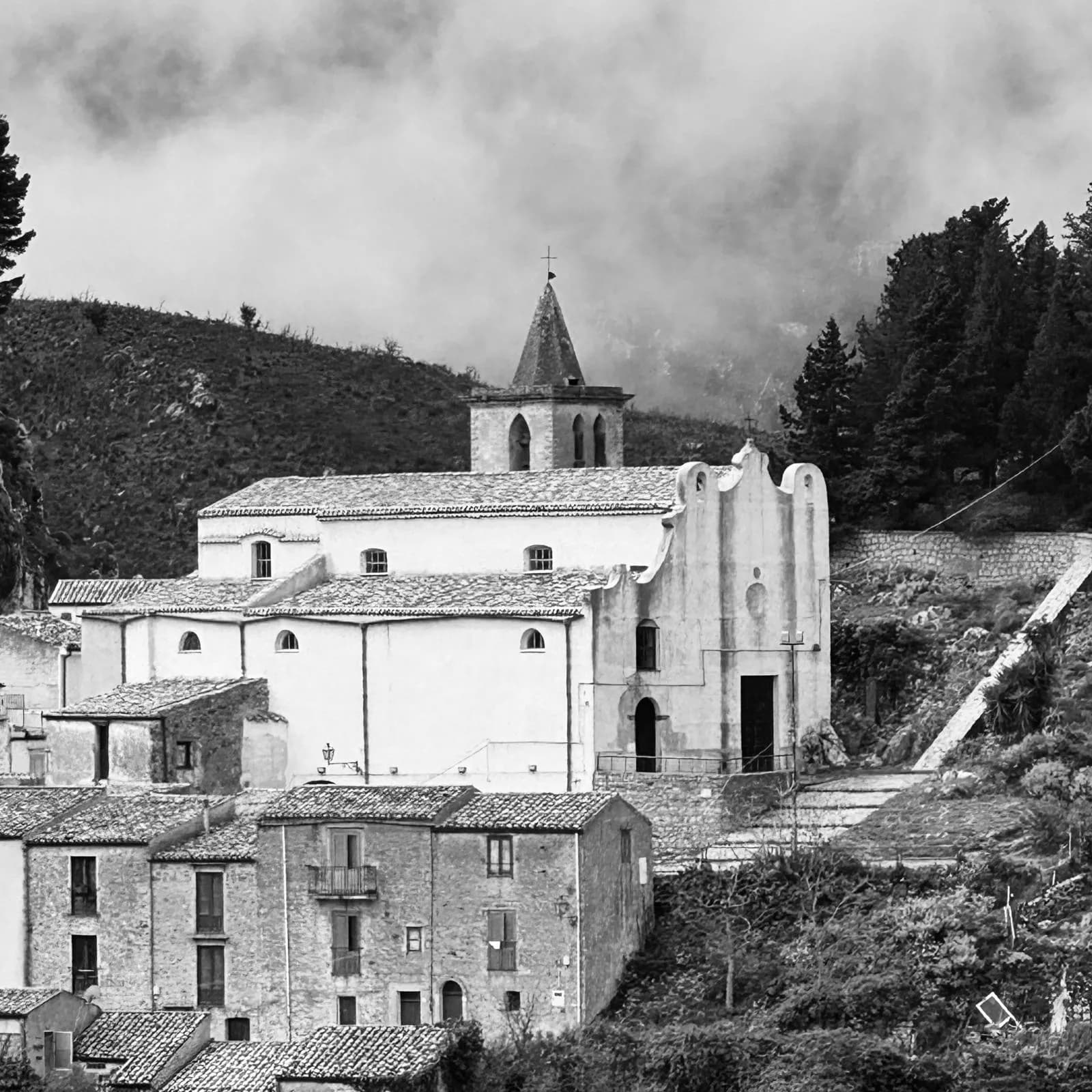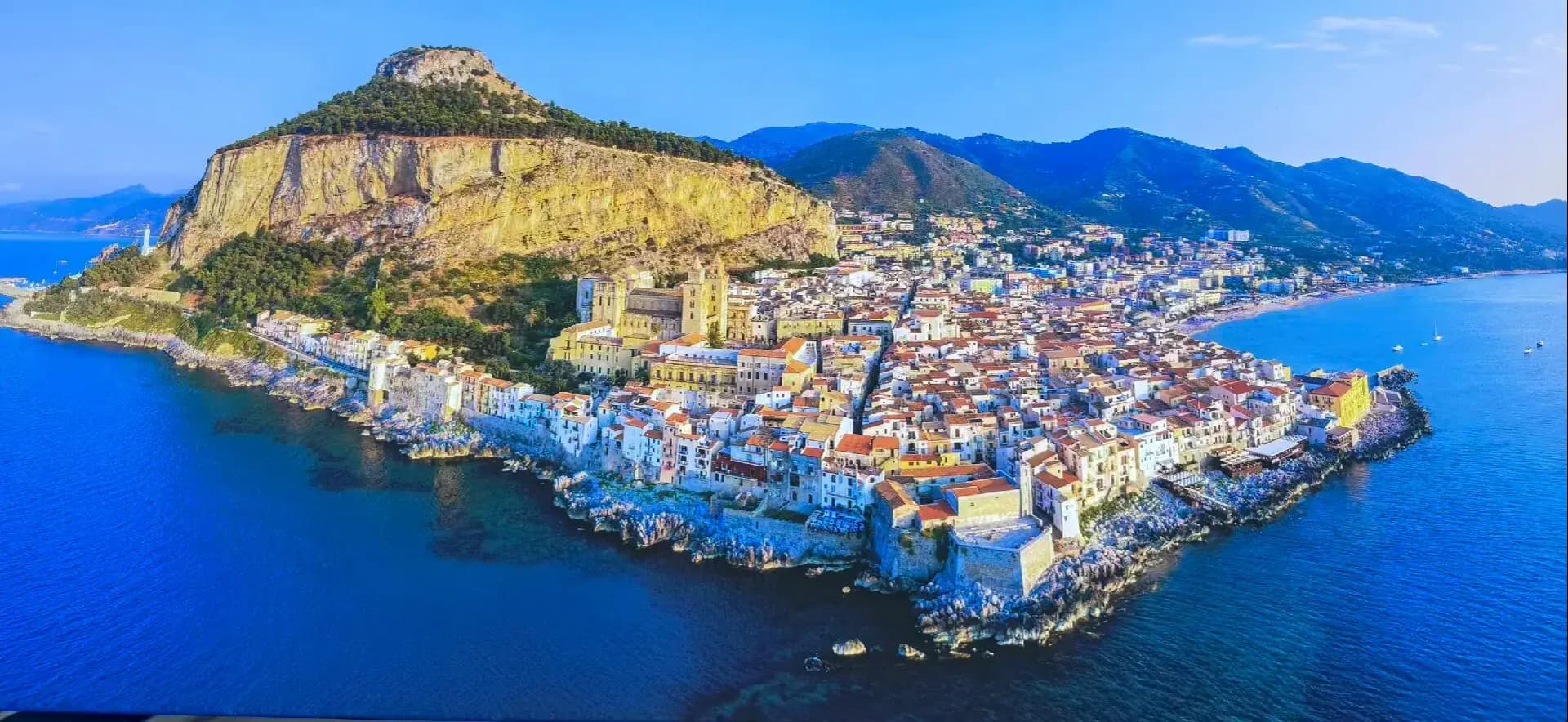
Gal Hassin is a purpose-built astronomical education centre in Isnello, a Madonie hill town about 20 km inland from Cefalù. Opened in 2016, it combines a planetarium, an outdoor Parco di Spazio e Tempo (Space and Time Park), a small museum, and an observatory terrace with telescopes trained on the night sky. A separate remote station, perched at 1,865 metres on Monte Mufara above Piano Battaglia, is the highest astronomical observation point in Italy and feeds into a national network of robotic telescopes.
This page covers what a visit actually involves, current prices and tour formats, and how to get up there from Cefalù. If you are building a wider Madonie day, our day trips guide covers the villages and trails nearby.
The honest note: everything at Gal Hassin runs on a guided-tour structure, in Italian, and must be booked online in advance — there is no wandering in off the street. If English matters to your group, ask before you book.
What is actually at Gal Hassin
The centre in Isnello town is built around four elements: the planetarium, which screens a guided tour of the night sky; the Space and Time Park, an open-air walk of exhibits on cosmology and scale; a small museum; and an observatory terrace fitted with a dozen instruments for daytime and evening viewing. Tours are led by staff with an astrophysics background rather than a generic guide, which shows in how the site is explained.
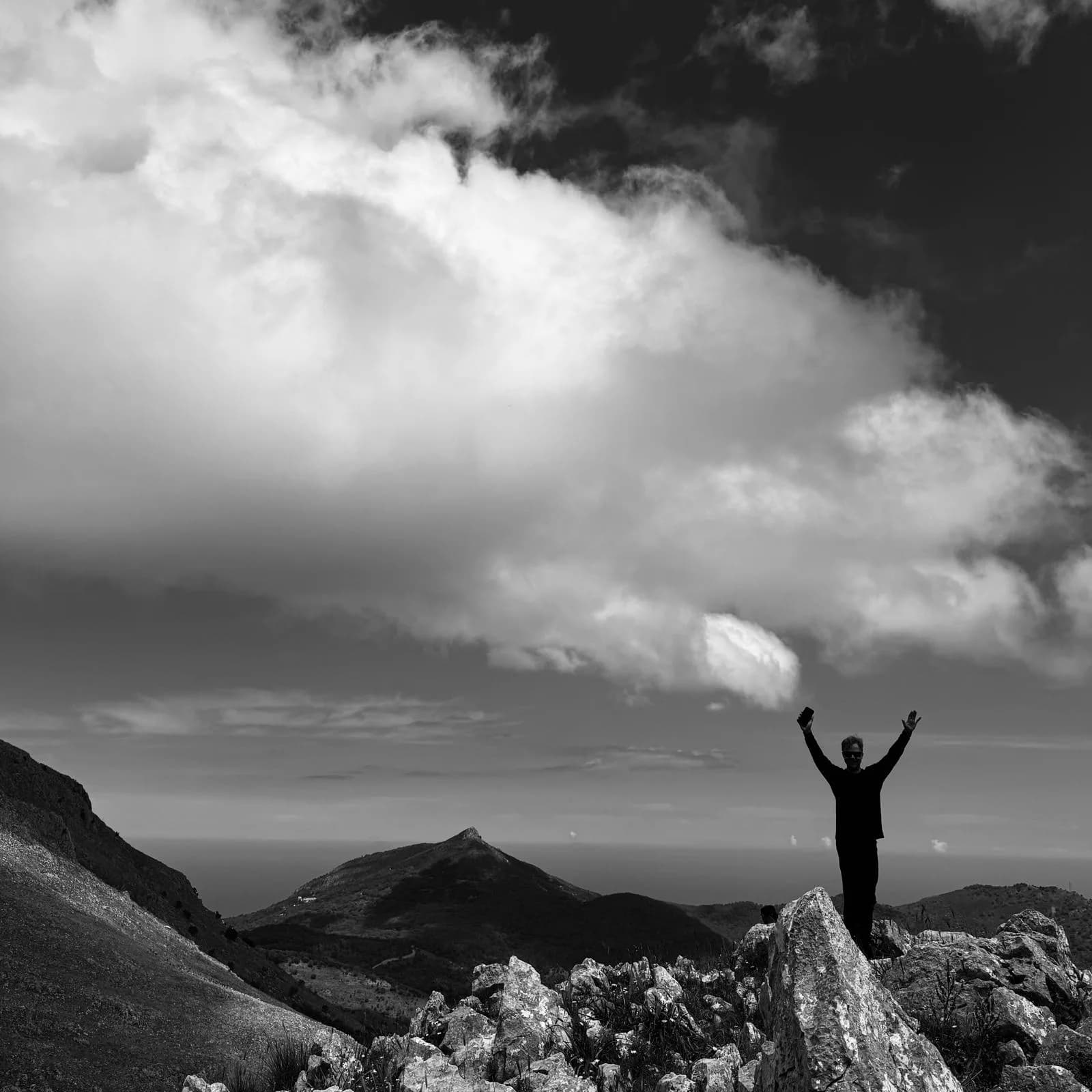
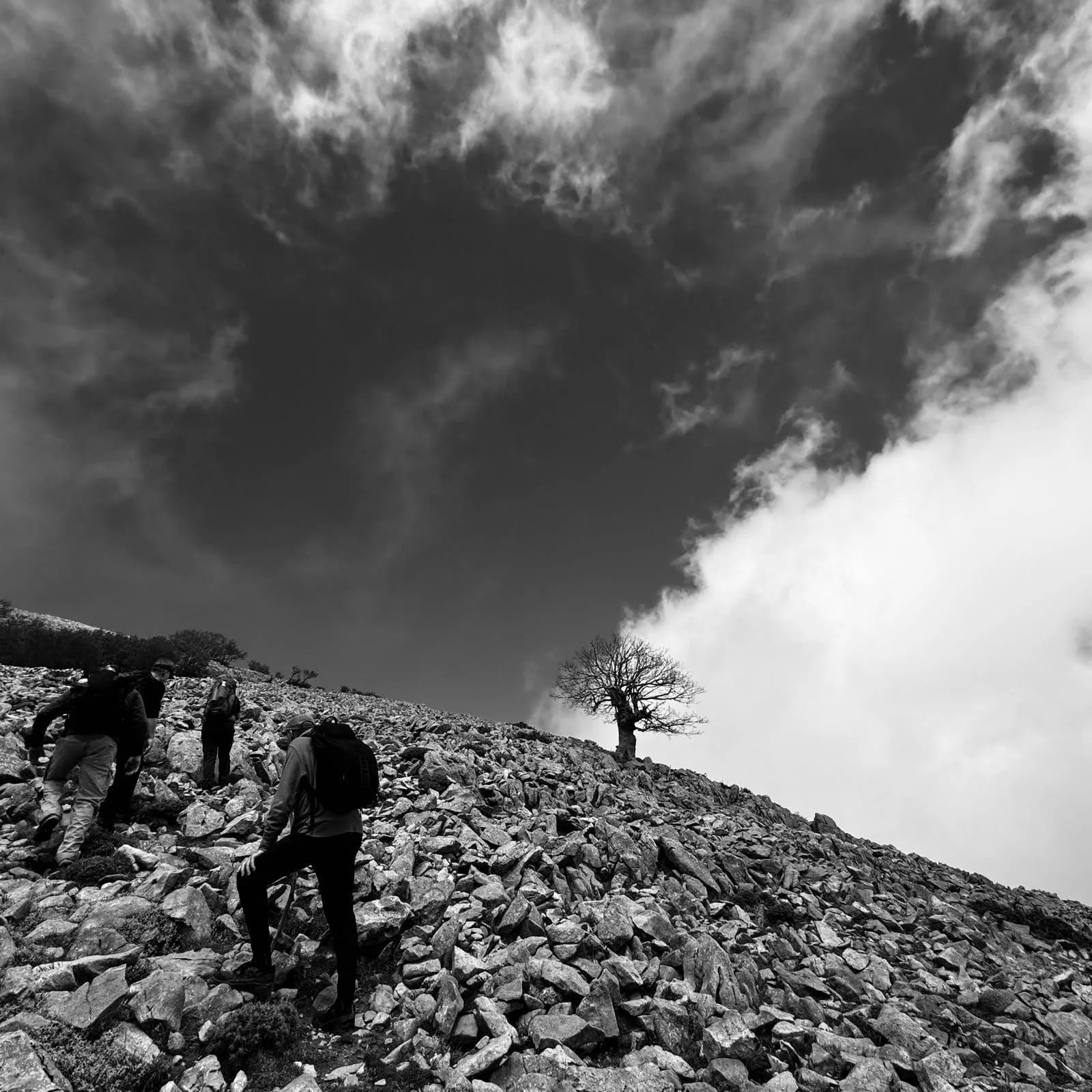
The more unusual part of Gal Hassin is out of sight from the town: a remote observing station on Monte Mufara, above the Piano Battaglia ski area, at 1,865 metres — identified back in the 1970s as a candidate site for Italy's national telescope, before Isnello's own centre took shape decades later. It now anchors part of a coordinated national network of robotic telescopes used for research and teaching, which is a serious piece of infrastructure to find this deep into the Madonie.
Visiting: tours, prices, and booking
Standard tours combine the Space and Time Park or museum with a planetarium screening and run about two hours fifteen minutes. From October to June, tours run Monday to Saturday, with entry at 15:00 and the tour starting at 15:30; the site is closed on Sundays. From July to September, the standard afternoon tour runs from 17:00 to 19:15, with a separate evening sky-observation session — using the terrace telescopes and the naked eye — from around 21:30 to 23:45 on full-day tickets.
A standard ticket runs around €15 for adults, €10 for ages 11–14, and €5 for ages 5–10; a full-day ticket combining the afternoon and evening sessions costs around €30 for adults and €20 reduced (ages 6–10). Booking is online through the Gal Hassin website and required for every visit. Tours run in Italian; English-language tours can be arranged in advance for groups of 20 or more, so smaller groups should ask directly what can be accommodated before booking. Parking is free, and there is a small bistro and gift shop on site, including meteorite fragments for sale.
Getting there from Cefalù
Isnello is about 18–20 km from Cefalù and takes around 30 minutes to drive, though the road climbs steadily so it feels longer than the distance suggests. Head east on the SS113 toward Campofelice di Roccella, then turn inland onto the SP9 through Collesano toward Isnello — the road switches back through olive terraces and oak woods as it gains height, and is a reasonable drive in its own right.
Public transport is workable but slow: AST buses connect Cefalù to Isnello via Castelbuono, but there is no direct service and the journey with transfers can take ninety minutes or more. For an evening sky-observation session, a car is close to essential, since the last connections back to the coast will not line up with an 11:45pm finish. If you would rather not drive up and back in the dark, book a private transfer directly and use the trip planner to fit the evening into your stay.
When to go for the best sky
Clear, moonless nights are what make the evening sessions worthwhile — the whole point of the Madonie site is the absence of coastal light pollution, and a bright moon or hazy sky flattens that advantage considerably. Late summer evening sessions (July–September) benefit from mild night-time temperatures at altitude; bring a light layer regardless, since 1,865 metres cools quickly after sunset even in August. Check the forecast the day before rather than the week before — mountain cloud in the Madonie can build quickly.
If you only have time for the daytime visit, the planetarium and Space and Time Park work in any weather and do not depend on a clear sky, which makes them the more reliable option if your schedule is tight.
Common questions
How far is Gal Hassin from Cefalù?
About 18–20 km, roughly 30 minutes by car via the SS113 and SP9 through Collesano. Public buses run via Castelbuono but involve transfers and can take 90 minutes or more, so a car or private transfer is the practical option, especially for evening sky sessions.
How much does it cost to visit Gal Hassin?
A standard tour costs around €15 for adults, €10 for ages 11–14, and €5 for ages 5–10. A full-day ticket adding the evening sky-observation session costs around €30 for adults and €20 reduced (ages 6–10). Booking online in advance is required — there is no walk-up entry.
Are the tours at Gal Hassin in English?
Tours run in Italian by default. English-language guided tours can be arranged in advance for groups of 20 or more; smaller groups or families should ask directly when booking what can be accommodated for non-Italian speakers.
What is the observatory on Monte Mufara?
A remote observing station at 1,865 metres above Piano Battaglia, the highest astronomical observation point in Italy. It is separate from the visitor centre in Isnello town and forms part of a national network of robotic telescopes rather than a site the public tours directly.