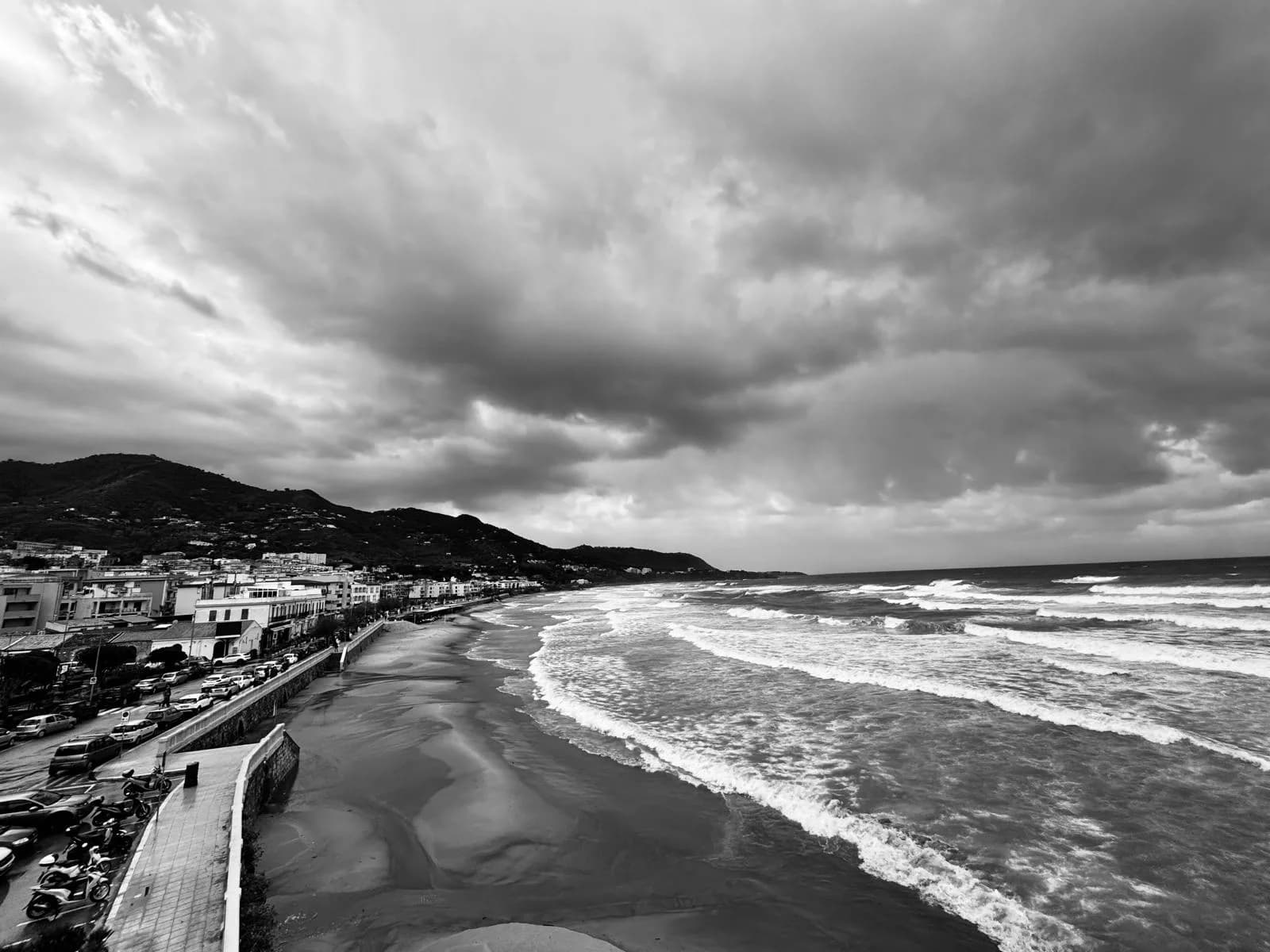
The honest version of winter in Cefalù is this: some things close, the sea gets cold, and there will be rain. If you need beach weather and a packed evening programme, come in September instead. But if you are open to a different kind of trip — slower, cheaper, genuinely quiet — November through March makes a case that surprises most people who try it.
We manage a growing portfolio of 23 properties here across all twelve months. The guests who come in January or February tend to be the ones who come back in January or February. That is not an accident. What follows is a month-by-month breakdown of what to expect, what stays open, and how to make the most of the off-season.
Weather month by month
November is the tail end of autumn — daytime temperatures of 16–18°C, which is warmer than most of northern Europe in that month. The first proper rain arrives, usually short and intense, and the sea cools to around 19–20°C. Some people still swim in early November; we would not rule it out. The evenings turn genuinely cool and the old town stone starts to glow in the low winter light in a way that July simply does not allow.
December drops to 12–15°C. The Festa dell'Immacolata on 8 December marks the start of the Christmas season — small markets appear on Piazza del Duomo, the Cathedral is lit at night, and there is a specific atmosphere in the town that has nothing to do with tourists. Christmas itself is a family occasion here; most restaurants stay open but the town is quiet after 22:00.
January is the coldest and quietest month. Temperatures run 10–14°C. A handful of restaurants and some shops close for their annual rest — usually four to six weeks, overlapping January and February. If you visit in January, check ahead. The upside: the cathedral is empty, parking is free, and the people behind the bar at your local café will remember your order by day two.
February brings the first signs of something changing. Almond trees blossom in the Madonie foothills — look for white and pale pink along the road south toward Gratteri and Cefalù's surrounding villages. Temperatures nudge back to 11–15°C. Carnevale falls in February, with processions and costume events in the town. By late February you can feel the light shifting.
March is genuinely spring. Days lengthen noticeably, temperatures reach 13–17°C, and the Madonie wildflowers begin. The sea is still cold — 14–15°C — but the hiking conditions are as good as they get. March is underrated even within the winter category.
What stays open in Cefalù in winter
More than most people expect. The Cathedral is open year-round and free to enter. La Rocca is open throughout winter — see the section below on why it is actually better in the cooler months. The Mandralisca Museum runs its usual hours. The old town lanes — ceramics shops, a few cafés, the Lavatoio Medievale — keep going.
Restaurants are the main variable. The majority stay open through November, December, and into January. A portion close for an annual break in January or February, typically for four to six weeks. The ones that close usually post dates on their doors or social media. Ring ahead if you have a specific dinner in mind — Cortile Pepe and Brama are open through most of the winter season, though hours can be reduced to weekends only in January. Walk-ins are almost never a problem off-season at any restaurant that is open.
Supermarkets, pharmacies, bars, and the daily market on Via Nicola Botta run year-round. The tabacchi shops keep their usual hours. The beach lidos close after October, but the beach itself is always accessible.
Transport links do not change significantly. Trains from Palermo run on the same schedule. The A20 motorway is straightforward year-round. The roads into the Madonie are occasionally affected by snow above 1,200 m in January and February — check conditions before driving up.
What to do in Cefalù in winter
The Cathedral without a queue is a genuinely different experience. The Christ Pantocrator mosaic in the apse, the Norman-Arab nave, the gold tessellated ceiling — all of it lands harder when the nave is not full of tour groups. Go on a weekday morning in January. You may have it almost to yourself.
La Rocca is at its best between November and March. The summer heat makes the 45-minute climb punishing from midday onward; in winter you can go at any time of day without that problem. The views are often clearer in winter air, and the ruins of the Arab-Norman fortification at the summit feel less like a tourist tick and more like the proper end of a walk. Bring a layer — the top is exposed and can be cold even on mild days. See the La Rocca trail guide for what to expect.
The Mandralisca Museum on Via Mandralisca houses the Portrait of an Unknown Man by Antonello da Messina — one of the great Renaissance paintings, and it sits in a small room in Cefalù with barely a visitor in winter. Entry is €6. Allow 45 minutes.
For a day out of town, Piano Battaglia in the Madonie is Sicily's only real ski area, sitting at 1,600–1,845 m about 55 km south of Cefalù with a couple of short lifts and a handful of runs. Treat it as a curiosity rather than a plan: snow is unreliable this far south, and in recent years the lifts have also sat closed for entire winters over a running dispute about who staffs and maintains them, regardless of the snowpack. If you are curious, drive up on a clear winter day for the scenery and altitude, and treat a working lift as a bonus rather than something to build a day around.
Palermo is also easier in winter. No summer heat, fewer crowds at the Palatine Chapel and the Ballarò market, and the train takes under an hour. A day trip to the capital is more rewarding in February than in August. If the weather does not cooperate, our rainy day itinerary maps out a full day of indoor culture, long lunches, and a tasting-menu dinner.
Off-season prices and what that means in practice
Accommodation rates drop considerably from November through March — typically 30–50% below peak-summer pricing depending on the property and the specific weeks. Our own properties follow the same pattern. A two-bedroom old-town apartment that runs €250 per night in August is likely to be €130–160 in January. The property is identical; the price is not.
Beyond accommodation, the pricing shift runs through everything. Restaurants are less pressured, which means service is slower in the good way rather than the harried way. Tables at Cortile Pepe in February require no more than a day's notice. Parking is free or nearly free. The supermarket aisles are calm. The ferry crossing to the Aeolian Islands, if you are considering that as a day trip, costs significantly less off-peak.
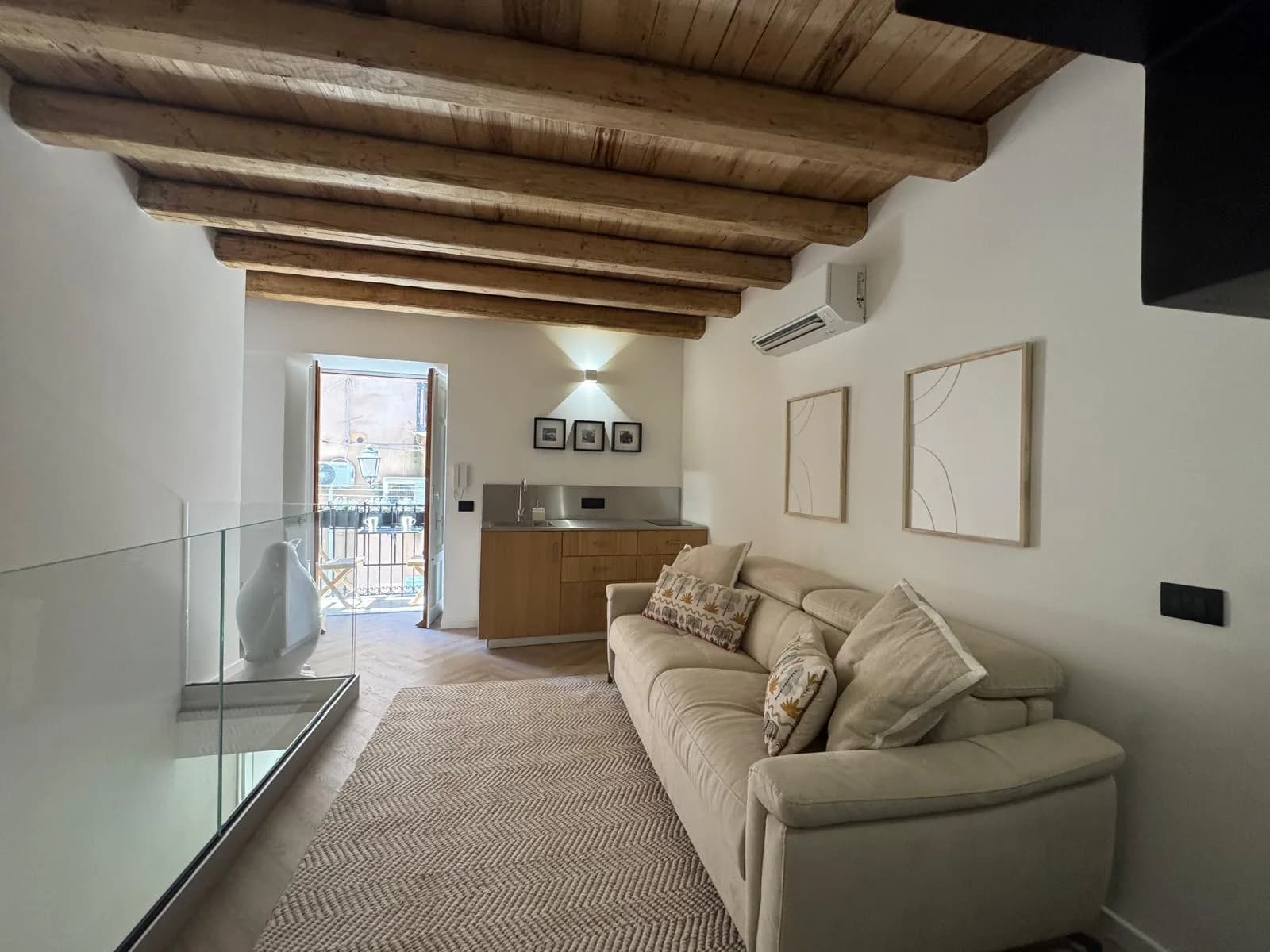
For stays of a week or more, winter is also where the self-catering model makes the most sense. A kitchen, a well-positioned old-town property, the market on Via Nicola Botta for local produce — it becomes less of a holiday and more of a temporary life, which is what the longer-stay guests are usually looking for. See our area guide for which part of town makes most sense for a winter stay.
Why we think winter is underrated — and who it suits
The honest caveat first: it rains more. Not relentlessly — the rain here tends to arrive fast and pass fast, rarely turning into the grey-day drizzle of northern Europe — but it rains. Some places you wanted to visit will have a closed sign on the door. The sea is cold. If your idea of a holiday requires a warm sea and a sun lounger, wait until June.
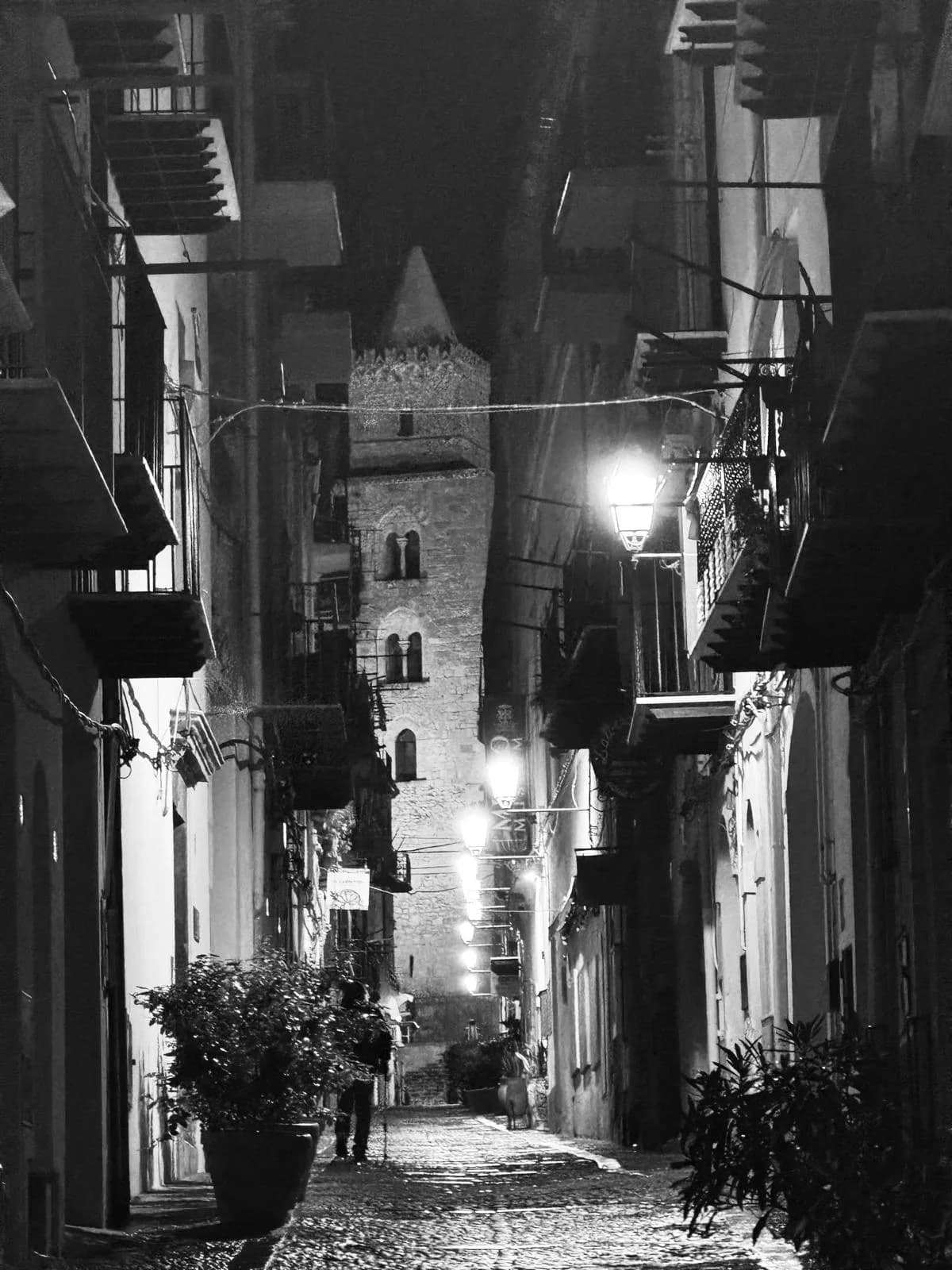
What winter gives you instead is the town at its own pace. The people in the restaurants are mostly locals. The owner of the ceramics shop on Vicolo Saraceni has time to talk. The bar by the Cathedral is full of retired fishermen at 10:00 in the morning, and nobody is in a hurry. There is a version of Cefalù in January that is closer to what the town actually is than anything you will see in August, and it is worth something to spend time in that version.
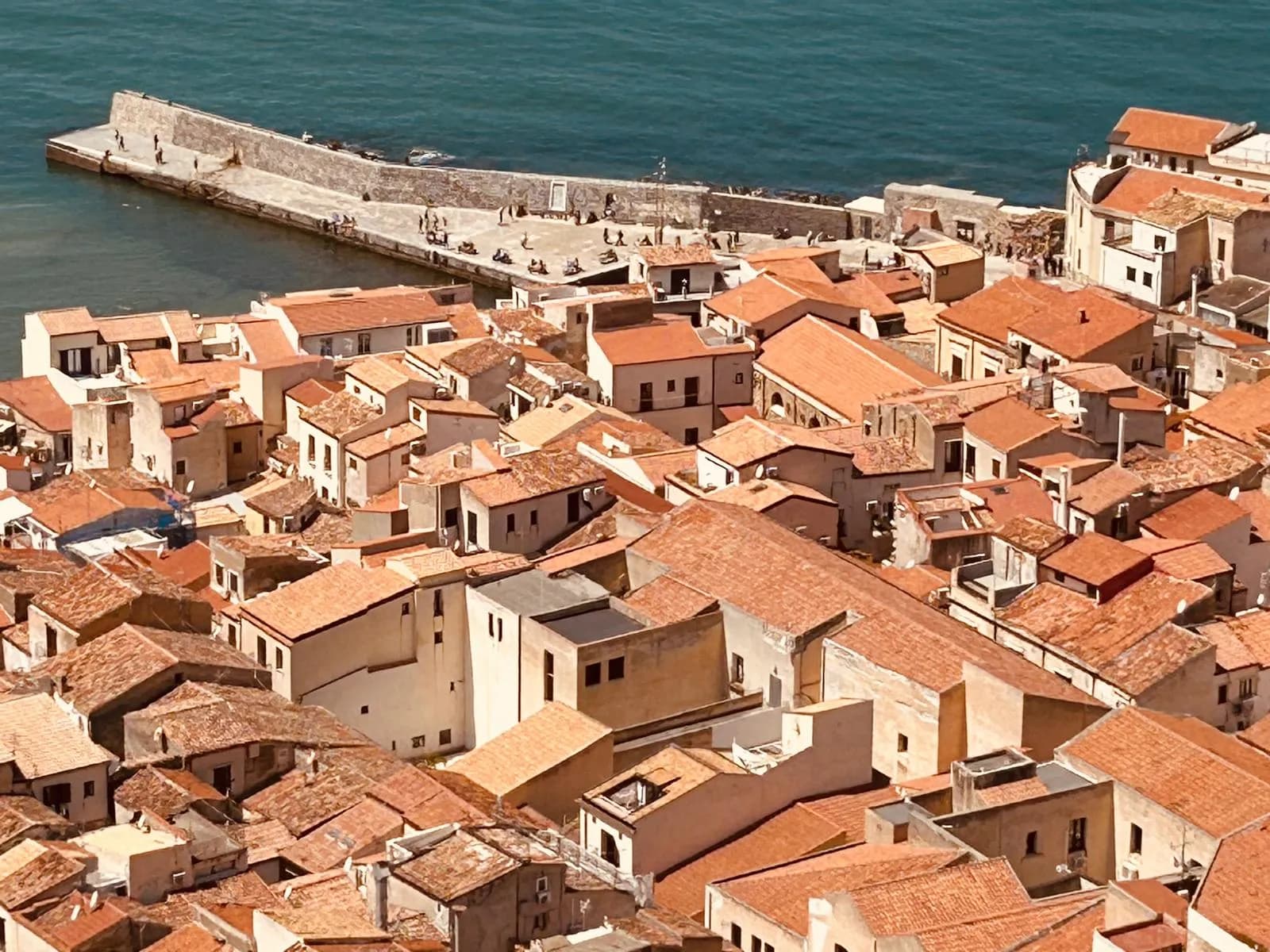
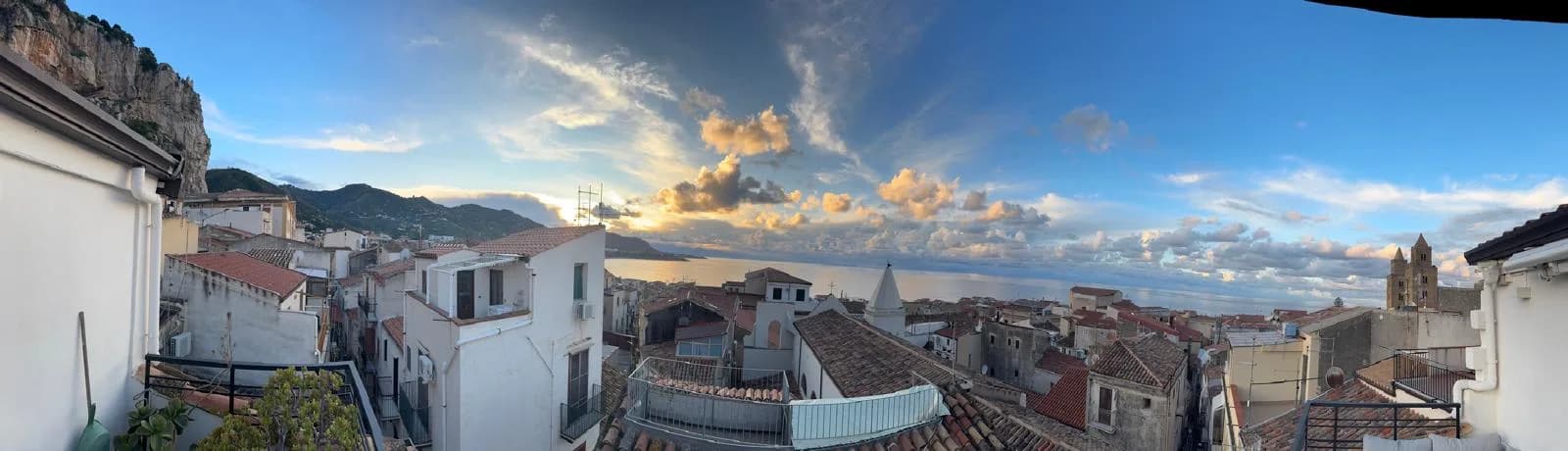
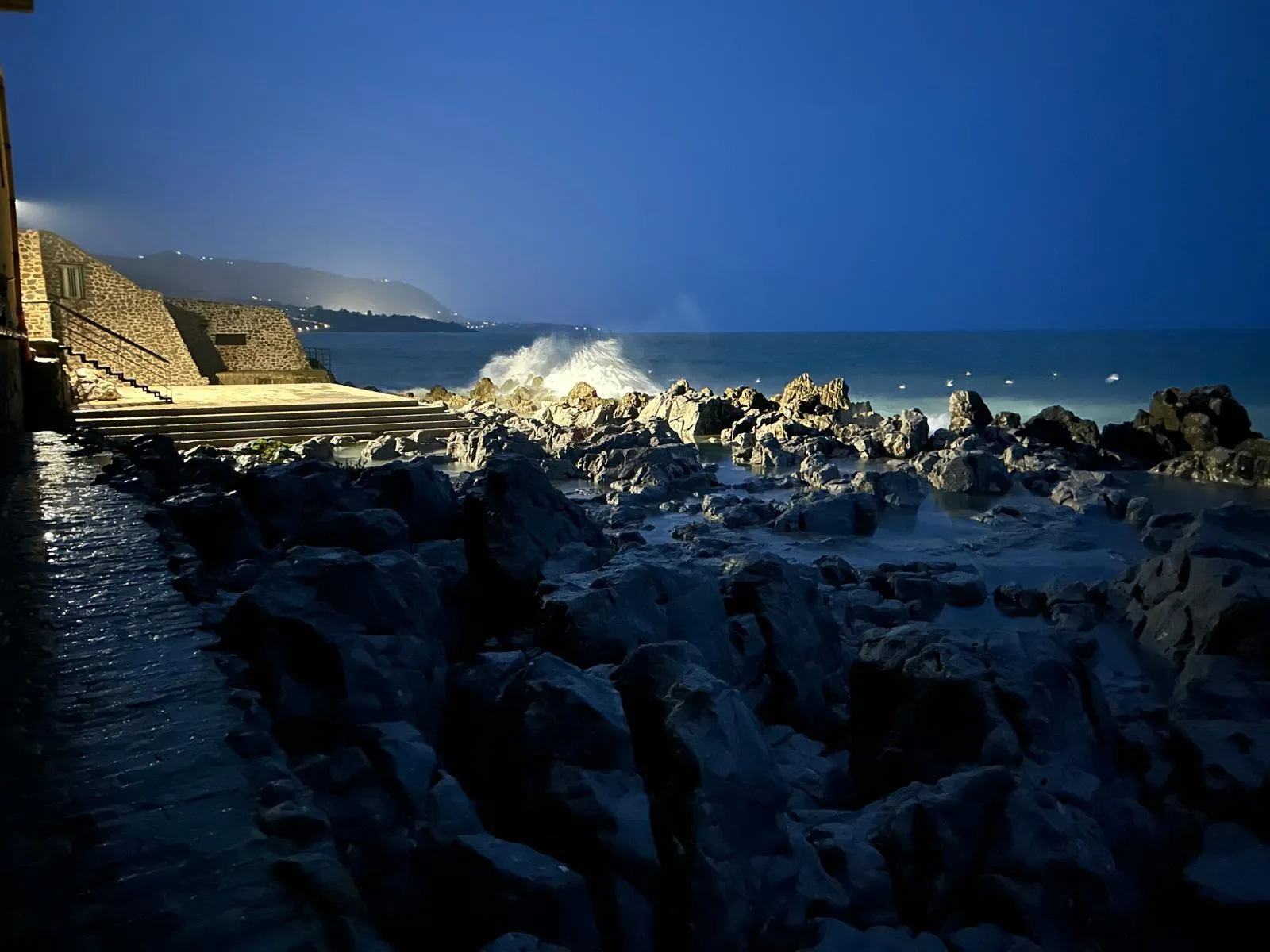
The light is particular. Late afternoon in winter, when the sun is low and the old town stone has been warming since noon, the place looks like a painting from the Norman period. The Duomo glows. The lanes narrow to shadows. It is the kind of light that photographers come specifically for, and most of them have it to themselves.
Winter suits people who travel slowly, who cook as well as eat out, who find the off-season version of a place more interesting than the peak version. It suits walkers, history readers, and anyone who has been to Cefalù in summer and wants to see the other side of it. For those people, we would not hesitate to recommend it. Check our full seasonal guide for the complete picture across all twelve months.
Common questions
Is Cefalù worth visiting in December?
Yes. Temperatures sit around 12–15°C, the cathedral is quiet, and the Festa dell'Immacolata on 8 December brings Christmas markets to Piazza del Duomo. Most restaurants stay open. Accommodation is significantly cheaper than summer. The old town in winter light is a different and genuinely worthwhile experience.
What temperature is Cefalù in winter?
November runs 16–18°C. December and January drop to 10–15°C — the coldest months. February and March warm back to 11–17°C, with March feeling properly spring-like by the end of the month. Rain is more frequent than in summer but usually arrives in short bursts rather than full grey days.
Are restaurants open in Cefalù in January?
Most are, though a proportion close for their annual break in January or February — typically four to six weeks. The best restaurants, including Cortile Pepe and Brama, generally stay open but may reduce to weekends-only hours. Ring ahead for any specific dinner plan. Walk-ins at open restaurants are rarely a problem in January.
Can you swim in Cefalù in November?
The sea drops to around 19–20°C in early November — cold for Mediterranean standards but swimmable if you acclimatise quickly. Most locals stop swimming after October. By December, sea temperature falls to 16–17°C, which is cold enough that most visitors skip it. The beach remains accessible year-round regardless.