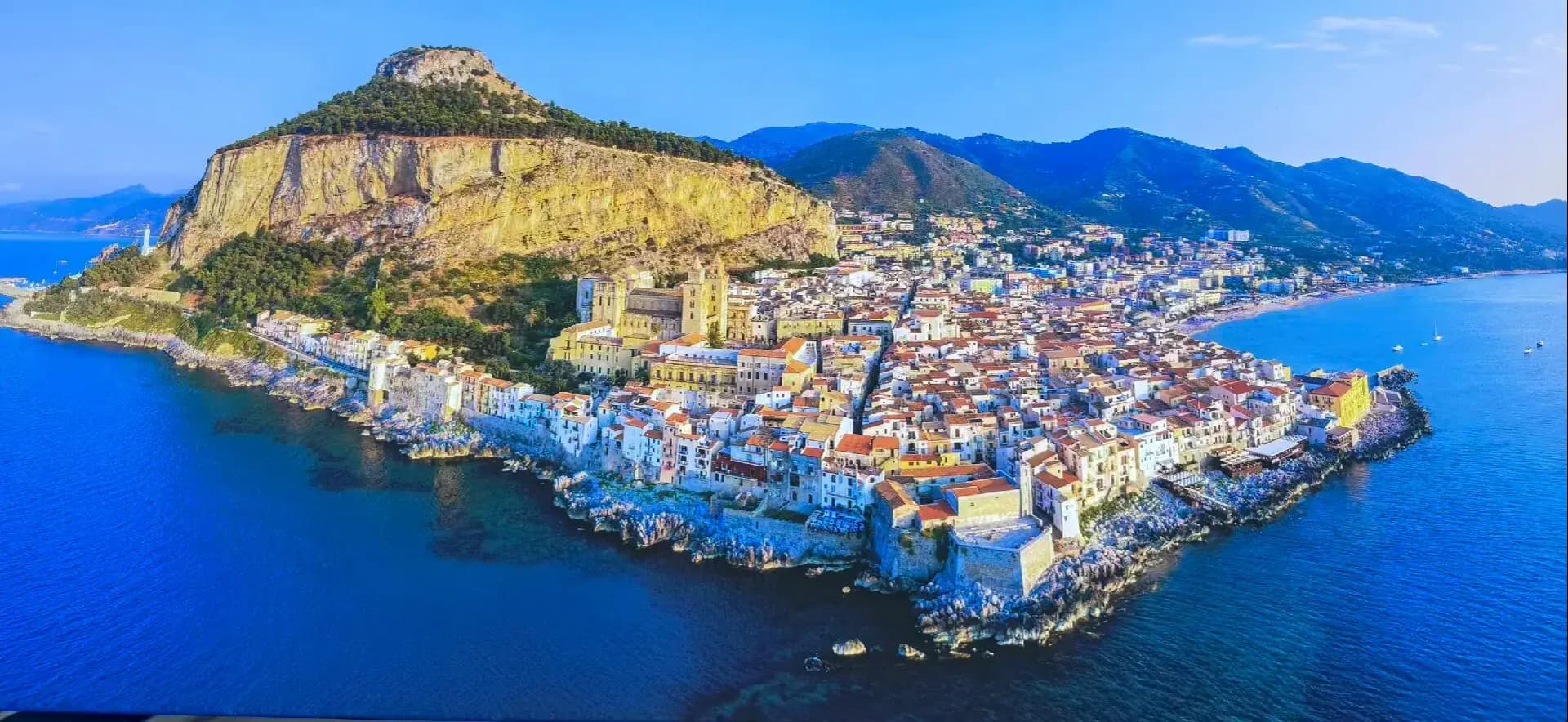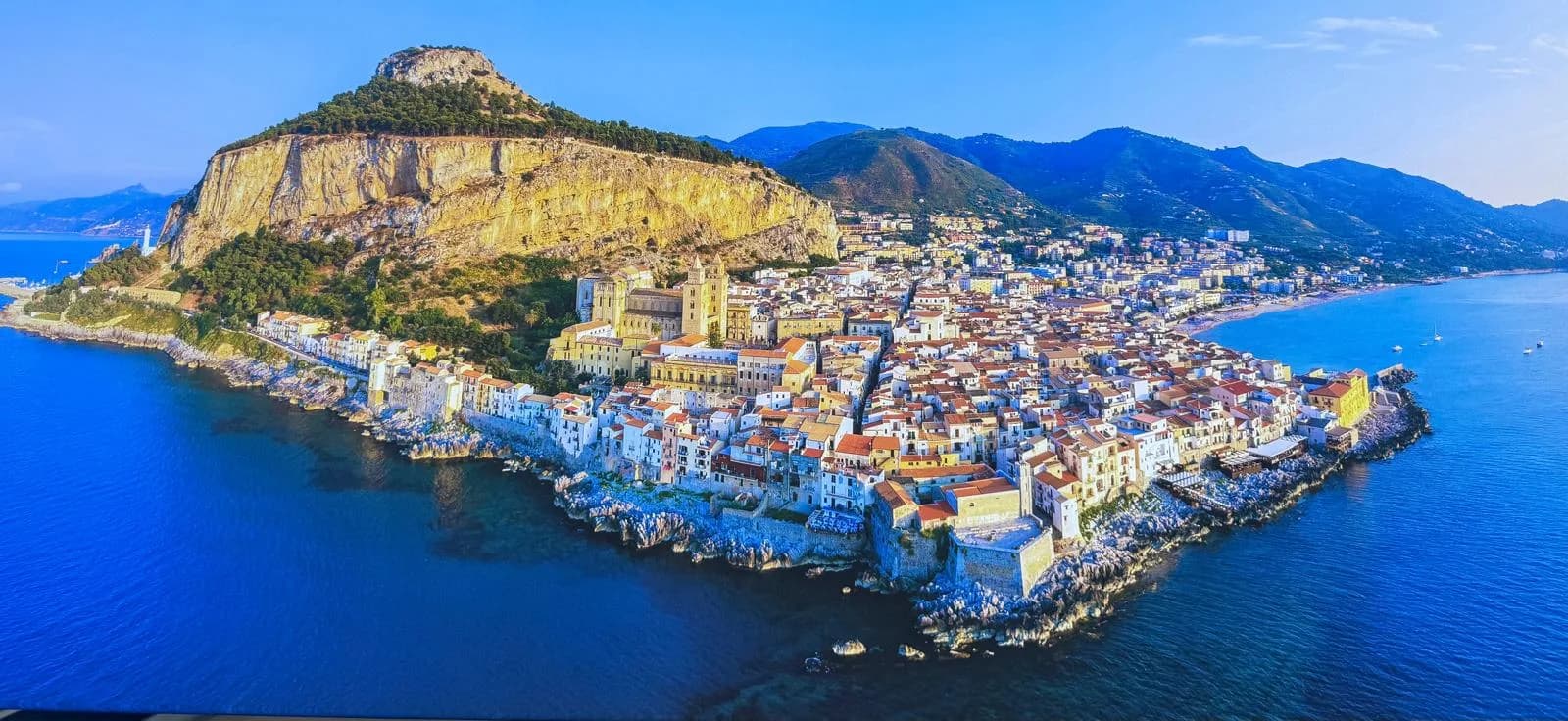
May and June are our favourite months. We say this every time someone asks, and we mean it every time. The heat is warm rather than punishing, the sea is swimmable, the days are long, and the town has not yet filled up. You can have La Rocca almost to yourself at sunrise in early June.
That said, every month has its argument. July has the Festa del Santissimo Salvatore and the warmest sea of the year. September brings the best hiking weather on earth. November is quiet and cheap, and the cathedral looks extraordinary in winter light with no tourist queue at the door. Here is an honest breakdown of each season.
May and June — our favourite months
Daytime temperatures sit around 22–27°C. The sea reaches 19–22°C by mid-June — cold enough to be refreshing, warm enough to stay in for an hour. Days are long. The summer crowds have not arrived yet. Restaurant tables are available without a week's notice.
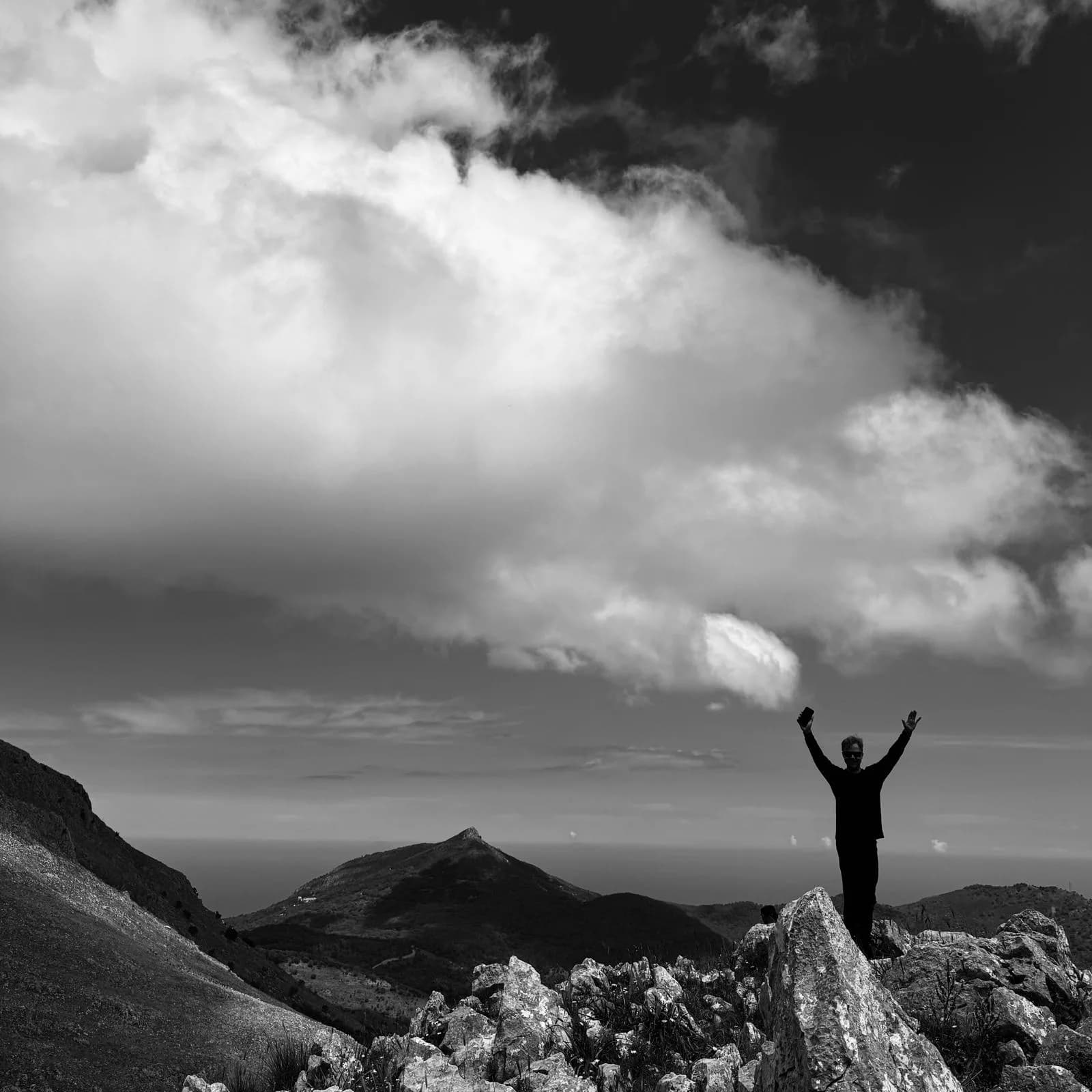
The Madonie mountains are covered in wildflowers through May, and the trail up to La Rocca is at its most rewarding in the early morning cool. For hiking in the Madonie National Park, late May to early June is the sweet spot — 20–25°C, wildflowers, and long days that let you finish a walk and be back on the beach by lunchtime.
Our properties book up months ahead for these months. If June interests you, enquire early.
July and August — hot, lively, and worth knowing about
Temperatures run 29–33°C. The sea reaches 25–27°C — the warmest it gets. The town is busy, restaurants are full, and the beach fills up by 10:00. This is peak season, and you should book everything well ahead.
What the crowds come for is real. The Festa del Santissimo Salvatore runs from 2–6 August. The flag of Christ Pantocrator unfurls from the cathedral towers, there are fireworks over the harbour, and the fishermen compete in the Antinna a Mari — walking a greased pole suspended over the water. On the eve of the feast, pasta in taianu — an ancient dish from the Arab period — is cooked in courtyards across the old town. It is genuinely one of the great local celebrations in Sicily and worth being here for.
If you visit in August: book restaurants at least a week ahead, get to the beach before 09:30 for a good spot, and plan outdoor activity for early morning or late afternoon. Midday is for the shade.
September and October — the quiet argument
September is, honestly, a strong case for the best month of the year. Temperatures drop to 22–28°C, the sea holds at 23–24°C well into October, and the restaurants have room again. The tourists thin out after the first week of September, and the town returns to something closer to its own rhythm — which is exactly why it is the month we recommend most often for a couples' trip to Cefalù: quiet sunset spots, tables at the best restaurants without three weeks' notice, and evenings that feel unhurried.
For hiking, September is the best month in the Madonie. The summer heat has broken, the trails are dry, and the beech forests start to turn colour. Early October adds mushroom season — porcini from the Madonie mountains appear on restaurant menus. See our hiking guide for the best trails at this time of year. If you have a full week, our seven-day Cefalù itinerary maps out how we would spend it.
November to March — quiet and underrated
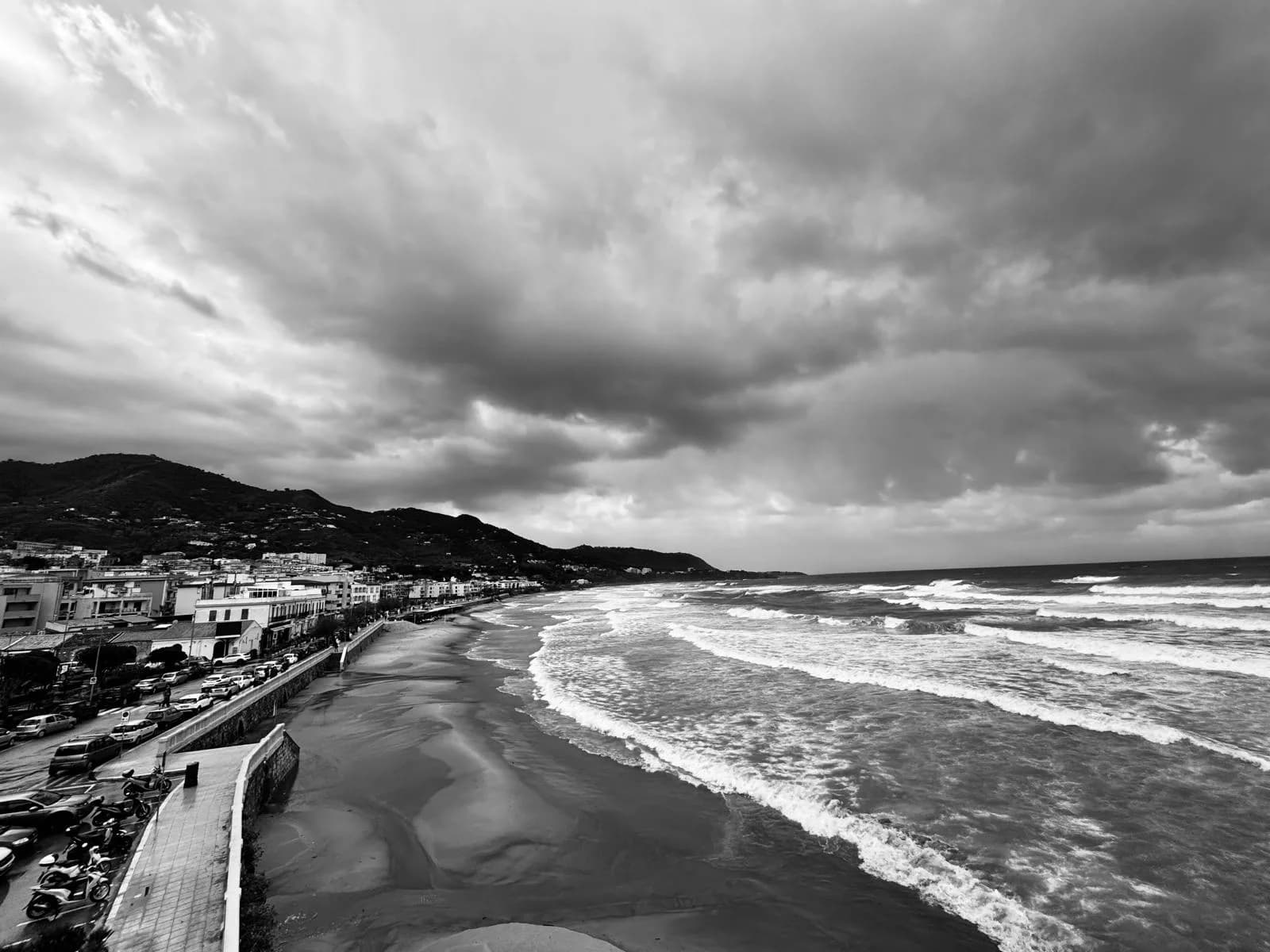
Winter in Cefalù is mild by northern European standards: 10–16°C, short sharp rain rather than days of grey drizzle, and extraordinary light on the old town stone. Some restaurants close for four to six weeks — usually January or February — but the ones that stay open are unhurried and genuinely welcoming in a way that high season does not always allow.
The cathedral is at its most accessible in winter. No queue, no tour group filling the nave, just the mosaic and the silence. The Lavatoio Medievale, the old town lanes, the Mandralisca Museum — all of them reward the slower pace that winter enforces. Prices for accommodation drop significantly. If you can tolerate the occasional closed restaurant and a cool sea, winter Cefalù is genuinely one of the better-kept open secrets on the island. See our full winter guide for month-by-month detail.
Common questions
What is the best month to visit Cefalù?
May, June, and September are the months we recommend most. The weather is warm, the sea is swimmable, and the town has not reached peak-summer saturation. For the Festa del Santissimo Salvatore festival, 2–6 August is the specific window. For hiking, September is the clearest choice.
What is the weather like in Cefalù in October?
October is warm and increasingly quiet. Early October typically sees 24–26°C daytime temperatures and a sea temperature of 22–23°C — still comfortably swimmable. Rain is more likely from mid-October, usually short intense bursts rather than full days of cloud. An excellent month to visit.
Is Cefalù worth visiting in winter?
Yes, with caveats. Temperatures run 10–16°C, some restaurants close in January and February, and the sea is too cold to swim. But the cathedral is empty, accommodation is significantly cheaper, and the town has a quiet that peak season never allows. We find it underrated.
When is the Festa del Salvatore in Cefalù?
The Festa del Santissimo Salvatore runs from 2 to 6 August. The highlight is the flag of Christ Pantocrator unfurling from the cathedral towers, followed by fireworks over the harbour and the Antinna a Mari — fishermen walking a greased pole over the water. Book well ahead if you want to attend.