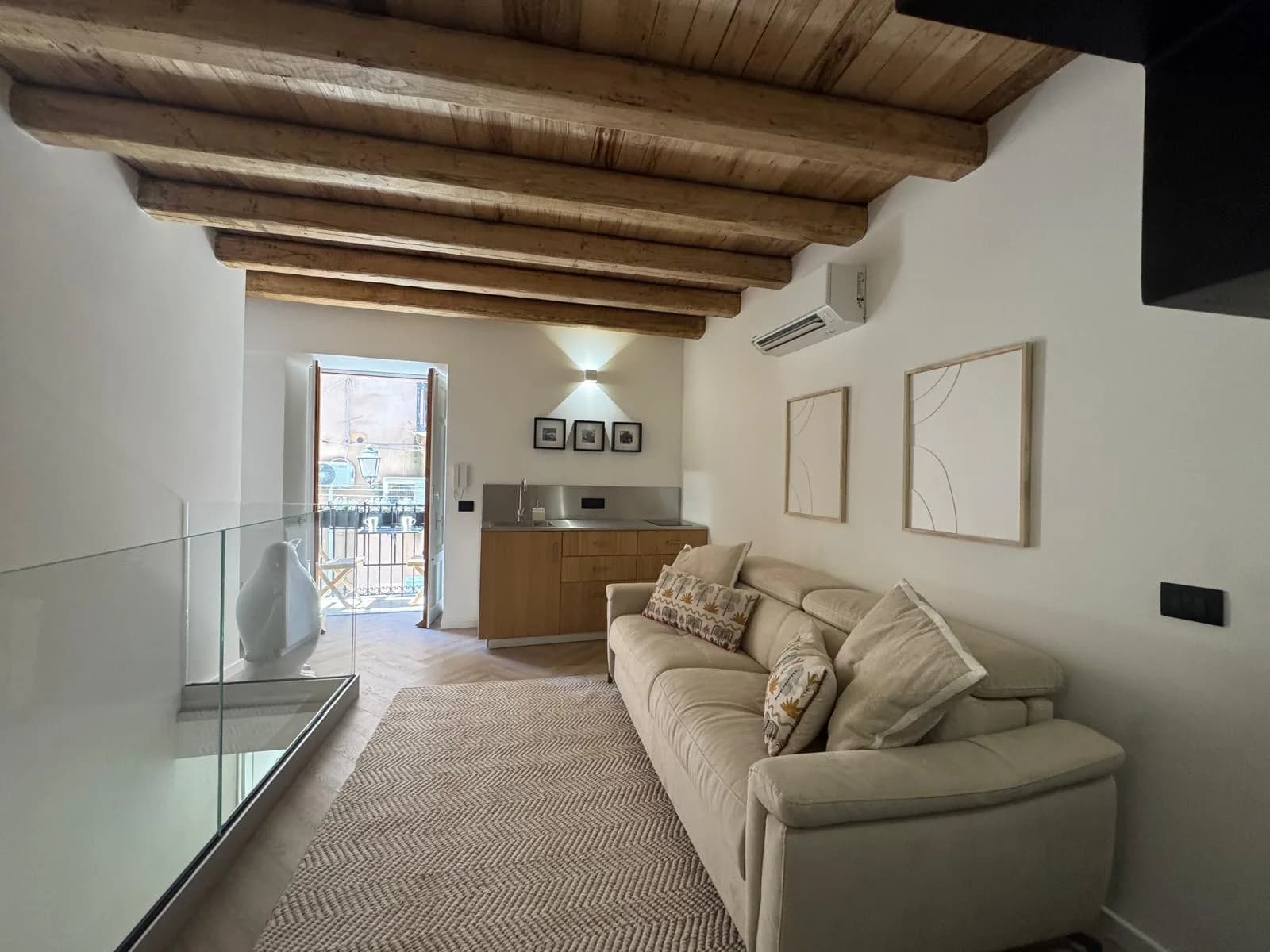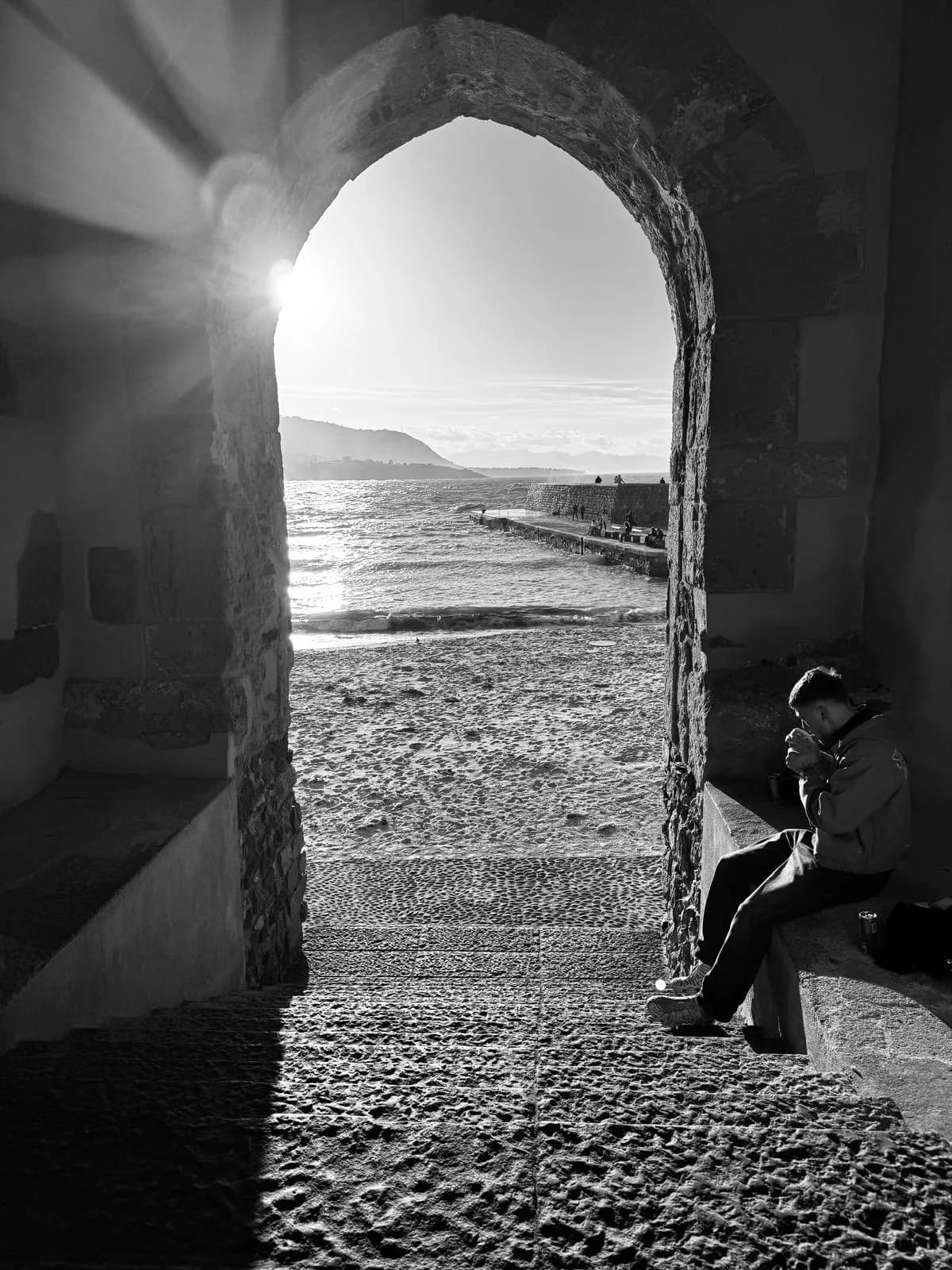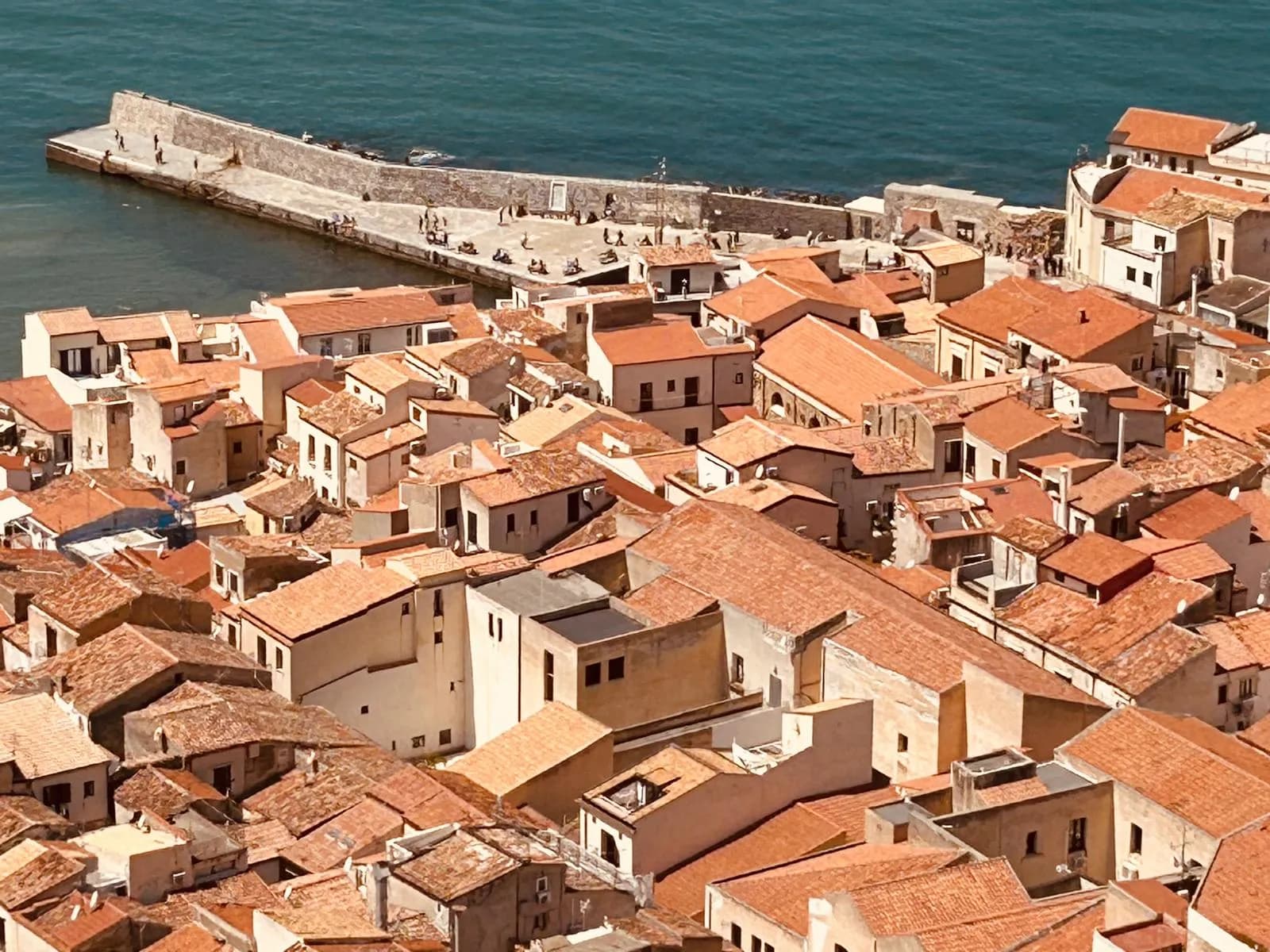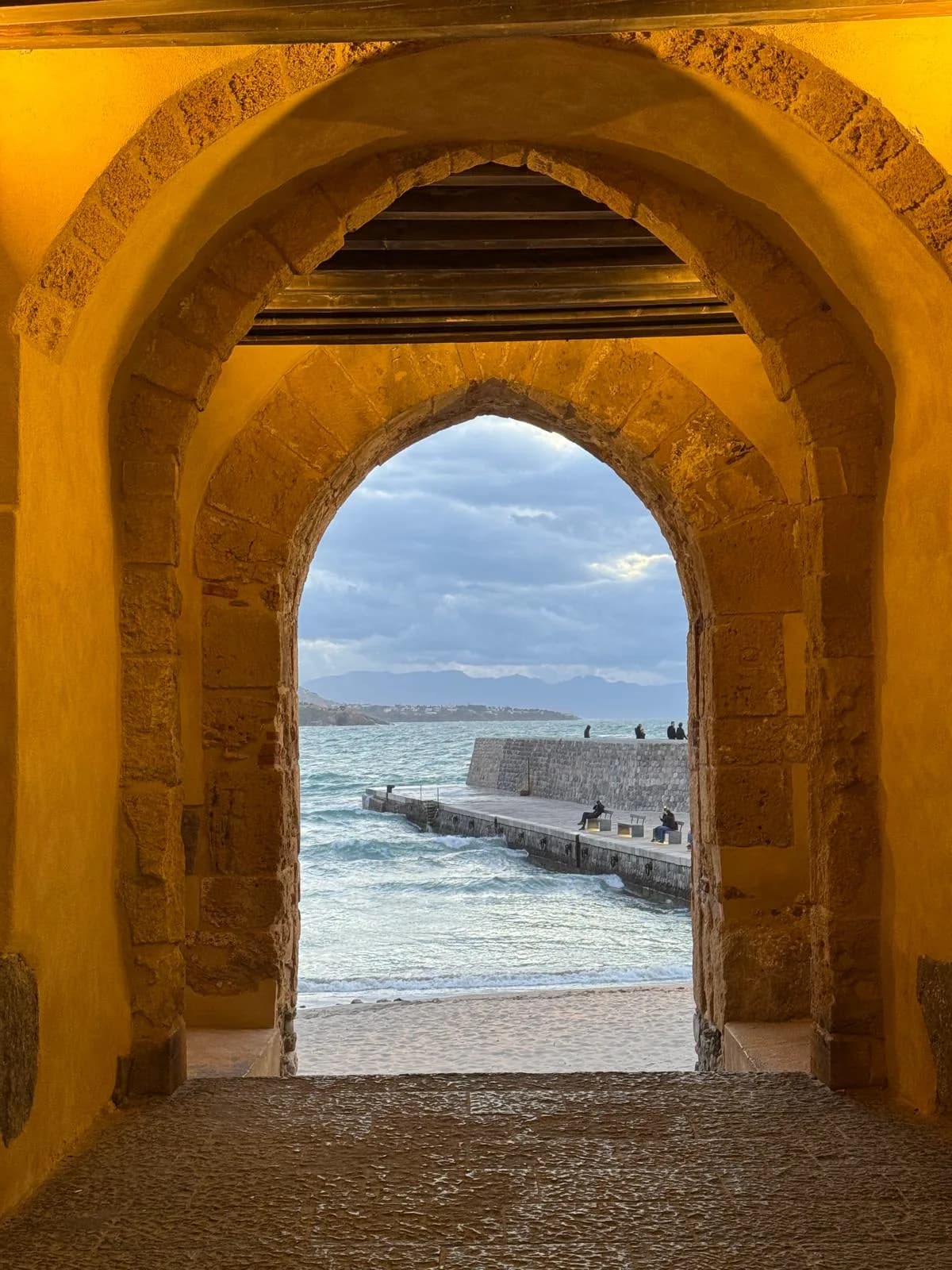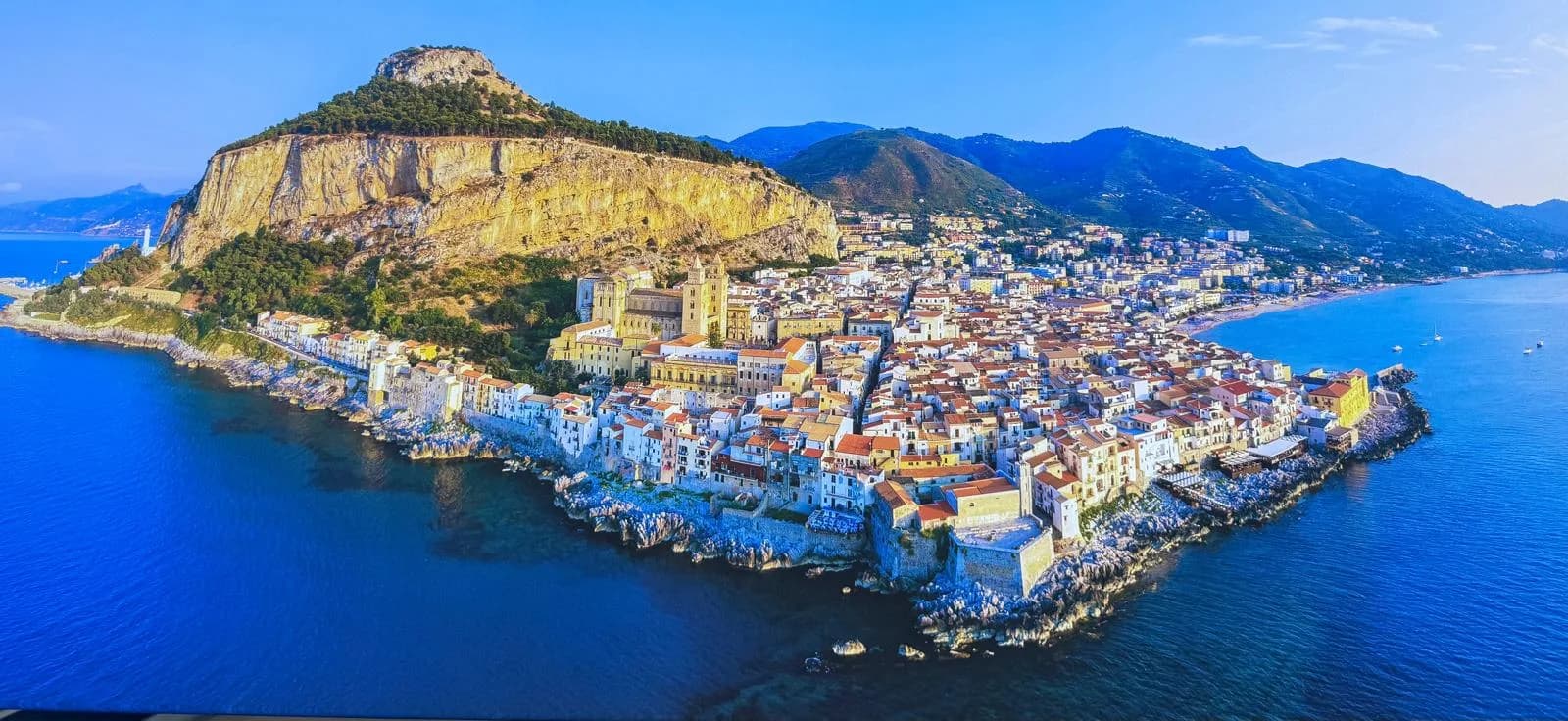
This is the question we get more than almost any other from people planning a first trip to Sicily: Cefalù or Taormina? We are not neutral — we are building a portfolio of 23 properties in Cefalù and would rather you stayed with us — but we have also spent enough time in Taormina to tell you honestly where it wins. It does, on some things. This page is the comparison we would give a friend, not the one that flatters our own town.
Short version: Taormina has the more famous view, the Greek theatre, and the closest base for Etna. Cefalù has a real sandy beach inside the town itself, an easier and cheaper base, a walkable old town without the cable car or the cruise-ship tides, and a straightforward train link to Palermo. Below is the detail behind each of those claims, plus an honest note on whether you can do both in one trip.
If you already know Cefalù is where you are headed, skip ahead to where to stay and when to visit.
Vibe and character
Taormina was built for looking at, and it knows it. Corso Umberto is a genuinely beautiful stretch of shops, restaurants, and viewpoints strung along a clifftop between Etna and the sea, and Piazza IX Aprile at sunset is one of the great views in Sicily. It also feels curated — a town that has spent over a century performing for visitors, from the Grand Tour writers to today's cruise excursions, and the polish shows in the prices as much as the postcards.
Cefalù is a working fishing town with a Norman cathedral that happens to be extraordinary, not a resort built around one. The old town lanes are lived-in — laundry across the alleys, cats on the steps, a fish market that supplies actual restaurants rather than a photo opportunity. It is less immediately dramatic than Taormina's clifftop setting, and more honest about what a Sicilian town actually looks like day to day.
Beaches — a real difference, not a matter of taste
This is the clearest practical difference between the two towns. Cefalù has more than 5 km of sandy beach running directly off the old town — the Lungomare is a five-minute walk from most of our properties, no cable car, no funicular, nothing between you and the water except the promenade.
Taormina, being built on a clifftop, has no beach of its own. To swim, you take the funivia (cable car) down to Mazzarò and Isola Bella — a genuinely beautiful cove, but a cable car ride away, at around €6 return, running roughly every fifteen minutes. It is a lovely beach. It is also a logistics exercise every time you want to swim, and in August the queue for the cable car down can run to twenty minutes each way.
For a family, or anyone who wants to walk out of their door and be in the sea within minutes, this single difference often settles the decision. See our full beaches guide for the options around Cefalù.
Prices — hotels, meals, and everyday costs
Taormina is the most expensive town in Sicily to eat, sleep, and park in, and it is not close. Reporting on the ground puts food, drink, accommodation, and sunbed prices at roughly double Catania's, and meaningfully above Cefalù's. Peak-season hotel rates in Taormina commonly run from the high €200s to €300+ a night for a mid-range room in August, where an equivalent stay in Cefalù — including our own properties — typically comes in noticeably lower.
Meals follow the same pattern. A casual trattoria dinner in Cefalù runs €20–35 per person; the same meal on or just off Corso Umberto in Taormina is routinely €10–15 more per person for a comparable standard, before you factor in the premium restaurants with sea views that dominate the town's best tables. Neither town is cheap in August. Cefalù is the one where your money still buys a proper meal rather than partly paying for the view.
Getting there and getting around
Cefalù has a direct train from Palermo Centrale — about an hour, roughly one an hour, €6–7 — and Palermo airport is 85 km away. See our getting here guide for the full breakdown. Once you arrive, the old town, cathedral, and beach are all within a ten-minute walk of each other, no vehicle required.
Taormina is trickier. The nearest airport is Catania, about an hour south by car or bus. There is a train station, Taormina-Giardini, but it sits down at sea level and you either climb a steep road or take a local bus up into the town itself — not a difficult trip, but an extra step that Cefalù does not require. Once inside Taormina, Corso Umberto is pedestrianised and walkable, but reaching the beach means the cable car, and reaching Etna or other day trips means a car or an organised coach tour, since Taormina itself has no meaningful car access to its historic centre.
Day trips: the Madonie versus Etna
This is where the two towns genuinely diverge rather than one simply beating the other. From Cefalù, you have the Madonie National Park fifteen minutes inland — hiking, medieval hill towns like Castelbuono, beech forests, and Sicily's second-highest peak, all with almost none of the crowds. See our day trips guide and hiking guide for the detail.
From Taormina, Mount Etna is the standout day trip — around 45–60 minutes by car or organised coach to the craters, genuinely one of Europe's great volcanic landscapes and easily the best reason to base yourself in Taormina rather than Cefalù if a working volcano is high on your list. Taormina also sits closer to Catania's baroque towns and the Alcantara Gorge. If Etna is the single experience you most want from a Sicily trip, that pulls hard toward Taormina as a base.
Crowds and seasonality
Taormina has a cruise-ship problem that Cefalù, so far, does not. Ships dock at Naxos or Messina and coach the day-trippers straight into town from mid-morning; Corso Umberto is at its most crowded roughly 10:00 to 16:00, and on a multi-ship day the main street and the theatre queue can be genuinely unpleasant. The town becomes itself again in the evening, once the coaches leave — golden-hour Piazza IX Aprile, quieter aperitivo, dinner without the lunch-rush crowd — but you are working around the tides of other people's schedules, not your own.
Cefalù gets busy in July and August — the beach fills by 10:00, the good restaurants need booking — but it is Italian and northern European holidaymakers rather than cruise coaches, spread across a full day rather than concentrated into a six-hour window. See our best time to visit guide for the month-by-month breakdown.
Which one should you pick?
Families with young children: Cefalù, for the beach on the doorstep alone — no cable car, no queue, sand within a pushchair-friendly walk of most properties.
First-timers to Sicily wanting one relaxed base rather than two: Cefalù, for the combination of walkability, price, and the Madonie fifteen minutes inland if you want mountains as well as sea.
Couples wanting glamour and a famous view: Taormina has the edge — Piazza IX Aprile at sunset and the Greek theatre are genuinely special, and worth the higher prices if that is specifically what you are after. See our own Cefalù for couples guide for what we think the coast does better.
Etna as the priority: Taormina, without much debate — it is close, Cefalù is not.
Budget-conscious travellers: Cefalù, clearly — meals, hotels, and parking all cost noticeably less, and you are not paying a premium for the view with every transaction.
Can you do both?
Yes, but be realistic about the logistics. There is no fast direct train between the two — the Trenitalia route from Cefalù to Taormina-Giardini requires a change at Messina Centrale and takes around 3 hours 50 minutes door to door, similar to the direct Palermo–Taormina service, which is itself close to four hours. By car, the drive is more efficient: around 208 km via the A20 and A18 motorways, roughly 2.5 hours depending on traffic around Messina.
Our honest advice if you want to see both: do not try to split a one-week trip evenly. Base yourself in Cefalù for four or five nights, use the Madonie and Palermo as your day trips, then move to Taormina for two or three nights at the end of the trip specifically for the theatre, the view, and an Etna day — treating the transfer day itself as a scenic drive along the north and east coast rather than dead time. Trying to do both towns justice in under a week each is the more common mistake we see.
Our honest recommendation
We manage properties in Cefalù, so take this with the grain of salt it deserves — but even setting that aside, we think Cefalù is the better base for most people's first trip to this part of Sicily. The beach is real and immediate, the old town is lived-in rather than performed, the prices are fairer, and the Madonie behind the town give you mountains without needing to leave. Taormina is genuinely worth seeing — the theatre and the view earn their reputation — but as a two- or three-night add-on to a Cefalù-based trip, not necessarily as the place you spend a full week.
Common questions
Is Cefalù cheaper than Taormina?
Yes, noticeably. Taormina is widely reported as the most expensive town in Sicily, with food, drink, accommodation, and parking running close to double Catania's prices and meaningfully above Cefalù's. Peak-season hotel rates in Taormina often exceed €250–300 a night in August; Cefalù typically runs lower for an equivalent standard of stay.
Does Taormina or Cefalù have a better beach?
Cefalù has a direct sandy beach — over 5 km, a five-minute walk from the old town. Taormina has no beach of its own; you take a cable car down to Isola Bella at Mazzarò, around €6 return, which is beautiful but adds a logistics step every time you want to swim, and queues build in August.
Can you visit both Cefalù and Taormina on the same trip?
Yes, but plan properly rather than splitting time evenly. There is no fast direct train — the route via Messina takes around 3 hours 50 minutes — while driving takes about 2.5 hours over 208 km. We recommend basing yourself in Cefalù for the bulk of the trip and adding Taormina as a 2–3 night extension at the end.
Is Cefalù or Taormina better for families?
Cefalù, mainly because of the beach. Families can walk from most properties to sand and shallow water in minutes, without a cable car or queue. Taormina works better for families who prioritise culture and views over beach time, or who plan to combine it with an Etna day trip.
Which is better for a first trip to Sicily, Cefalù or Taormina?
Cefalù, if you want one walkable, moderately priced base with a real beach and easy day trips into the Madonie mountains and to Palermo. Taormina suits travellers prioritising a single famous view, the Greek theatre, and proximity to Mount Etna, and who are prepared to pay a premium for it.
Is Taormina worth visiting if you are staying in Cefalù?
As a dedicated 2–3 night trip rather than a rushed day trip — the journey is too long for a comfortable there-and-back day (around 2.5 hours each way by car, longer by train). If Etna and the Greek theatre matter to you, build Taormina in as an extension at the end of your Cefalù stay.